


Busting green card myths: US citizen relatives face long waits too
Under current US immigration law, family members of citizens and lawful permanent residents can apply for green cards, but delays depend heavily on their visa category and country of birth
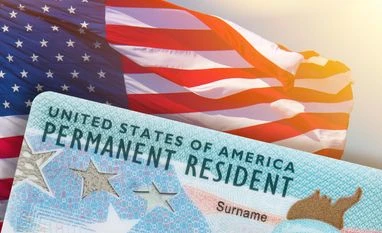 "US green card, US Passport, US immigration")
Family members of US citizens and lawful permanent residents can apply for green cards, but delays depend heavily on their visa category and country of birth. Photo: Shutterstock
Listen to This Article
Being related to a US citizen doesn’t always mean a quick path to a green card. While some family members qualify for faster processing, others may wait over 15 years — sometimes decades — depending on the relationship and country of origin.
“If you think your sibling can get a green card quickly just because you’re a US citizen, that’s a myth,” said Abhisha Parikh, a US-based immigration lawyer. “The fact is, only immediate relatives — spouses, parents, and children under 21 — get priority. Others, like siblings or married children, might be waiting 15 years or more.”
Under current US immigration law, family members of citizens and lawful permanent residents can apply for green cards, but delays depend heavily on their visa category and country of birth.
Two separate queues
There are two key wait periods that determine how long a green card takes:
Also Read

 "US President Donald Trump")
 "Keir Starmer")
 "Denmark")
 "US immigrants, Migrants US")
 "Ireland, Dublin")
1. The visa bulletin queue, which determines when you’re eligible to apply
2. the USCIS processing time, which starts once your application is submitted
Immediate relatives of US citizens skip the visa bulletin queue entirely. For others, both queues apply — sometimes spanning decades.
“For Indian nationals, the green card backlog is among the worst in the world — especially in categories like F4 (siblings of US citizens) and F1/F3 (adult children of US citizens),” Varun Singh, managing director at XIPHIAS Immigration told Business Standard.
The reason is a country cap that limits green cards for each nation to about 7% of the annual family-based total, regardless of demand.
Singh explains:
Siblings of US citizens: 15 to 20+ years
Adult children of US citizens: Over 10 years
Children under 21: 1 to 2 years
Spouses of US citizens: 12 to 18 months
“Spouses fall under the Immediate Relative category, so there’s no quota. That’s why their green cards are processed faster and with fewer hurdles,” he said.
Family-based green card waiting times (FY2025)
Here’s how long family-based green cards take, based on USCIS data:
Immediate relatives of US citizens (no visa bulletin wait)
Spouses in the US: 9.5 months
Spouses abroad: 14.3 months
Parents: 14.3 months
Unmarried children under 21: 14.3 months
Family preference categories (visa bulletin applies)
Spouses/children of green card holders (F2A): October 2024 | 35 months
Unmarried adult children of US citizens (F1): September 2017 | 9.5 months
Unmarried adult children of green card holders (F2B): January 2017 | 35 months
Married children of US citizens (F3): July 2012 | 9.5 months
Siblings of US citizens (F4):
India: October 2006
Most other countries: April 2008
Mexico: April 2001
Philippines: January 2008
USCIS time: 9.5 months
Family preference categories defined
F1: Unmarried adult sons/daughters of US citizens
F2A: Spouses and under-21 children of green card holders
F2B: Unmarried adult sons/daughters of green card holders
F3: Married sons/daughters of US citizens
F4: Siblings of US citizens
What determines the wait
Two key tools matter when tracking your green card timeline:
< The monthly visa bulletin, which tells you when your priority date becomes eligible
< USCIS processing times, which tell you how long the agency takes once your application is submitted
Immediate relatives can skip the bulletin entirely and apply straight away.
Why Indians wait so long
“It’s not about favouritism. It’s just maths,” Singh said. “The volume of Indian applicants is huge, but the law restricts how many green cards can go to each country. That’s what causes the bottleneck.”
He added, “The real cost is human. Families separated for decades, siblings growing old in different countries, and children ageing out before their number comes up.”
What applicants can do if delayed
In some cases, applicants can take legal steps if their application is stuck for too long.
“Couples sponsoring spouses should prepare thoroughly to avoid delays. If the wait becomes unreasonable, filing a writ of mandamus is an option to compel USCIS to act,” said Ketan Mukhija, senior partner at Burgeon Law.
What counts as marriage fraud
US immigration officials are strict about marriage-based green card applications. The following are considered marriage fraud:
Entering into a fake marriage for money or favours
Both parties knowingly entering a sham marriage
Deceiving someone into marriage for immigration benefits
USCIS investigates suspicious cases thoroughly, and penalties can include visa denial, fines, and removal from the country.
More From This Section
 "Steve Bannon")
 "Yvette Cooper")
 "Kashmir, India pakistan, conflict")
 "Keir Starmer")
Don't miss the most important news and views of the day. Get them on our Telegram channel
First Published: May 14 2025 | 7:38 AM IST