


H-1B workers, foreign students now need a US bank account to pay USCIS fees
USCIS has stopped taking cheques and money orders. Immigration applicants must now pay filing fees by US bank account debit or credit card, using new forms
 "USCIS")
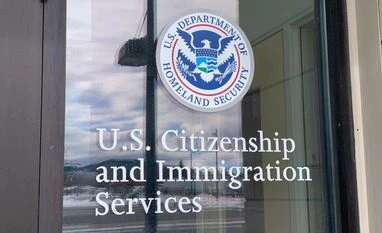
USCIS is an agency of the U.S. Department of Homeland Security (DHS) that manages the country's immigration and naturalization system. Photo: Shutterstock
Listen to This Article
US Citizenship and Immigration Services has introduced electronic debit payments for immigration filing fees and removed the option to pay by cheque or money order. The change took effect this week.
Applicants must now include Form G-1650, which authorises USCIS to withdraw money directly from a United States bank account, when submitting applications or petitions.
“We have a responsibility to the American people to operate as efficiently and securely as possible,” said Matthew J Tragesser, USCIS spokesman. “Over 90 per cent of our payments come from checks and money orders, causing processing delays and increasing the risk of fraud and lost payments. America deserves better, and we intend to deliver.”
Credit card payments remain available through Form G-1450.
What fees people pay and why it matters
Also Read

 "H1B visa")
 "US visa")
 "H1b visa it sector")
 "Donald Trump, Trump")
 "Donald Trump, Trump")
Most immigration requests include a government fee. These cover application handling, security reviews and any biometric checks.
Common fees include:
• Adjustment of status (green card applications filed in the US)
• H-1B and other work visa petitions filed by employers
• Employment authorisation and travel document requests
Processing does not begin until the correct amount has been paid successfully.
How the new rule changes payment options
USCIS will now only accept:
• Form G-1650 for debit from a US bank account
• Form G-1450 for credit card payments
There is no option to pay using cheques or money orders anymore.
Who may face challenges
People without US bank accounts may find the new rule inconvenient. This includes international students in the United States on F-1 visas, dependants applying from overseas, and newly hired foreign workers who have not yet opened an account in the country.
“ACH debits must come from a US-based account, while foreign accounts are not accepted,” wrote Adena Bowman, immigration attorney at Reddy Neumann Brown PC. “Applicants in that position must rely on a US employer or family member to process payment, or take their chances with a credit-card transaction.”
New risks for applicants
The system leaves less room for simple mistakes.
• Any incorrect banking detail can lead to case rejection
• Debit transactions appear only as “US Dept of Homeland Security” with no case reference
• Card payments may be declined due to fraud checks by banks
Bowman explained that older cheque payments were stamped with receipt numbers, which helped track each application. Under the new debit system, the link between payment and case arrives only later in a separate receipt notice.
“In theory, the shift makes sense… ACH and card payments should reduce delays,” Bowman wrote. “But it’s also far less transparent.”
What applicants should do now
Applicants are advised to:
• Check that the bank account has enough funds to cover all fees
• Enter routing and account numbers carefully
• Confirm with the bank that government charges will not be blocked
• Consider prepaid credit cards where a US bank account is not available
Any failed transaction may result in USCIS sending back the entire filing, causing delays.
More From This Section
 "Australia protest")
 "visa rejection")
 "Visa Application")
 "Canada, Ottawa, Ontario")
 "US immigration")
Topics : H1B Visa US immigration BS Web Reports immigration
Don't miss the most important news and views of the day. Get them on our Telegram channel
First Published: Oct 29 2025 | 1:12 PM IST