


US govt shutdown: Impact on visas and migration applicants explained
US government shutdown leaves immigration partly functional, with USCIS running, ICE enforcement intact, but courts and labour filings disrupted
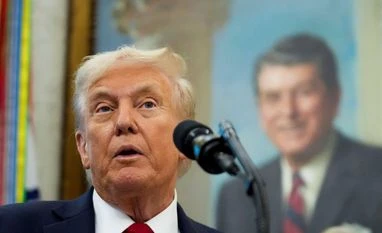 "Donald Trump")
US Government shutdown 2025. Photo: Reuters
Listen to This Article
The United States government has entered its first shutdown since 2019, after Congress failed to approve a stopgap spending deal before the midnight deadline. Immigration touches multiple agencies, so the effects will vary for employers, foreign nationals, and government offices.
Most of the US Citizenship and Immigration Services (USCIS) continues to function as it is fee-funded. This means interviews, naturalisation ceremonies, biometrics, and other day-to-day immigration services remain operational.
But there are exceptions. Programmes that rely on appropriated funds, such as E-Verify, the Conrad 30 J-1 physician scheme, and the special immigrant religious worker programme, will be suspended. “The Conrad 30 programme, which helps bring doctors to rural America, could be suspended. But the biggest impact would be a shutdown of the E-Verify system,” said Houston-based law firm Reddy Neumann Brown in a client note.
Employers will have to manually verify I-9 documents if E-Verify goes offline. USCIS has in the past extended deadlines for compliance, and observers expect it to do so again.
Department of Labor grinds to a halt
The Department of Labor (DOL) is directly affected. The Office of Foreign Labor Certification will stop processing applications, including labour condition applications (LCAs) needed for H-1B visas, PERM applications, and prevailing wage determinations. Its online FLAG system and other websites will also go offline.
Also Read

 "White House, shutdown")
 "rbi, reserve bank of india")
 "Sanjay Malhotra, RBI, RBI Governor")
 "Carbon emission, pollution, climate change")
 "goods and services tax, GST")
Immigration lawyers note that this will have a knock-on effect, since USCIS relies on some of the data uploaded by employers. The Board of Alien Labor Certification Appeals (BALCA) and DOL administrative law judge dockets will also be paused.
Visa services mostly continue
Visa and passport services provided by the Department of State are also funded by application fees, so they generally continue even during a shutdown. But if fees are insufficient at a particular consulate, services may be restricted to emergencies and diplomatic visas.
Border inspections carry on
US Customs and Border Protection (CBP) is considered essential. Ports remain open, and border agents continue inspections. In 2022, CBP estimated that only 8 per cent of its staff would be furloughed in a shutdown. While processing at the border may face delays, Congress has already provided CBP billions in separate funding for technology, hiring, and vehicle procurement through the One Big Beautiful Bill Act.
ICE enforcement unaffected
Immigration and Customs Enforcement (ICE) operations continue with little change. Enforcement and deportation activities are classed as essential law enforcement. “That means that throughout the shutdown, ICE would continue the current trends and levels of immigration enforcement including arrests and raids,” said a briefing note by Reddy Neumann Brown.
The Student and Exchange Visitor Program (SEVP), which oversees international students, is fee-funded and unaffected. ICE has also been given a cushion of $29.9 billion for enforcement and $5 billion for detention under the One Big Beautiful Bill Act, allowing it to keep hiring and expanding even during a shutdown.
Immigration courts take a hit
The biggest disruption will be in the immigration courts. The Executive Office for Immigration Review (EOIR), which runs the courts, depends on congressional funding. Hearings for detained migrants will continue, but non-detained cases will likely be suspended.
During the 2019 shutdown, between 80,000 and 94,000 cases were put on hold. With more than 3.4 million cases currently pending and hundreds fewer judges than needed, the effect of suspending non-detained dockets this year could be far greater.
Aaron Reichlin-Melnick, a lawyer at the American Immigration Council, wrote: “In previous years, the broad impact of a shutdown on immigration has been clear ahead of time. But with the Trump administration threatening to use a shutdown to enact further changes on the federal service, as well as the unprecedented sum of $150 billion for immigration enforcement provided in the One Big Beautiful Bill Act, there may be key differences this year.”
ALSO READ: What the latest US government shutdown means
What triggered the shutdown
The political deadlock stems from President Trump’s refusal to extend expiring Affordable Care Act subsidies and reverse Medicaid cuts that were part of his domestic policy bill earlier this year. Democrats say funding cannot continue without addressing healthcare, while Republicans accuse them of “holding the government hostage.”
Senator Chuck Schumer said, “If the president were smart, he’d fix this healthcare crisis right away. Americans are going to hold him responsible.”
More From This Section
 "Canada, Ottawa, Ontario")
 "Immigration changes from Oct 2025")
 "Dubai, UAE")
 "US visa")
 "US visa, H4, H1B")
Don't miss the most important news and views of the day. Get them on our Telegram channel
First Published: Oct 01 2025 | 3:07 PM IST