


Delhi govt may double two-wheeler EV subsidies in upcoming policy
Delhi government's upcoming EV policy is expected to double two-wheeler subsidies, expand charging infrastructure, and offer tax perks for scrapping ICE vehicles
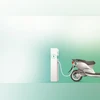 "electric vehicle")
Delhi's EV policy, which was introduced under the Aam Aadmi Party rule in 2020, offers a ₹5,000 subsidy per kWh of battery capacity, capping the maximum benefit at ₹30,000.
Listen to This Article
In a push for greater electric vehicle (EV) adoption, the Delhi government is expected to offer increased subsidies and improved charging facilities for two-wheeler EVs in its upcoming EV policy, The Times of India reported.
The current EV policy, which was introduced under the Aam Aadmi Party rule in 2020, offers a ₹5,000 subsidy per kWh of battery capacity, capping the maximum benefit at ₹30,000. The new policy, however, can witness this amount being doubled, a senior official told the publication. Under the current policy, the Delhi government has yet to clear pending subsidy dues of around ₹140 crore.
The current policy ended its four-wheeler subsidy after the first 1,000 cars were sold.
The new policy will also offer increased tax concessions for people who scrap their internal combustion engine (ICE) vehicles and switch to EVs, with an official calling it a “dual win”. “It could reduce the number of older polluting vehicles and accelerate EV uptake,” the official said.
Also Read

 "Indofast Energy")
 "electric vehicle")
 "Tata motors")
 "JSW MG Motor India")
 "Nitin Gadkari")
The policy also aims to tackle another pain point for commercial EV users by directing the installation of two-wheeler charging points in marketplaces and high-delivery zones.
The focus on two-wheeler EVs comes amid the expanding gig economy, which relies heavily on such vehicles.
Last month, Delhi Chief Minister Rekha Gupta also said that her government is in discussions with stakeholders and developing a model Electric Vehicle Policy 2.0, with a sole target of “improving Delhi's air quality”.
She also said that all public transport vehicles in Delhi will be electric by the end of 2026. “Every third vehicle in Delhi should be electric,” she said. The current policy, initially set to lapse in 2023, has been extended several times, with the current deadline now set for March 2026. The new policy is expected to be introduced early next year.
More From This Section
 "World Heart Day 2025, heart disease prevention, cardiovascular health")
 "Himanta Biswa Sarma, Himanta Biswa")
 "Crackers")
 "S Jaishankar, Jaishankar")
 "Suniel Shetty")
Don't miss the most important news and views of the day. Get them on our Telegram channel
First Published: Oct 10 2025 | 4:57 PM IST