


PM Modi to dedicate Vizhinjam International Seaport to nation Friday
This comes after Karan Adani, managing director, Adani Ports and SEZ, indicated that the group will invest ₹20,000 crore more in Vizhinjam Port in addition to the already invested ₹5,000 crore
 "Sea Port, Port, Vizhinjam, Vizhinjam International Sea Port, Vizhinjam International Port")
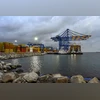
The commercial operations of phase-I of the project started in December 2024, and phase-II to phase-IV of the project are likely to be over by December 2028. (Photo: PTI)
Listen to This Article
Almost five months after starting commercial operations, Prime Minister Narendra Modi will dedicate the Vizhinjam International Seaport to the nation on Friday. This is India’s first transshipment hub and first deepwater container terminal.
This comes after Karan Adani, managing director, Adani Ports and SEZ, indicated that the group will invest ₹20,000 crore more in Vizhinjam Port in addition to the already invested ₹5,000 crore.
Based on an estimate, on an annual basis, the advantage due to this port will be to the tune of ₹2,500 crore.
The port’s operations officially kicked off in July 2024, when MV San Fernando, a vessel chartered by the world’s second-largest shipping company, Maersk, arrived at the port.
The commercial operations of phase-I of the project started in December 2024, and phase-II to phase-IV of the project are likely to be over by December 2028.
Also Read

 "Modi, Narendra Modi")
 "Amit Shah, Home Minister")
 "Rahul Gandhi, Rahul, congress leader")
 "Rahul Gandhi poster on caste census")
 "PM Modi, WAVES")
According to the detailed project report, Vizhinjam will be competing with Cochin and Tuticorin for its gateway containerised cargo; and with international ports like Colombo in Sri Lanka, Salalah in Oman, and Singapore for container transshipment traffic.
During the first phase, the Vizhinjam Port will have the capacity to handle 1 million 20-foot equivalent units (TEUs), and subsequent phases will see the addition of 6.2 million TEUs.
The Vizhinjam International Port is hardly 11 nautical miles away from the international shipping channel. Nearly 30 per cent of the freight movement takes place through this international shipping route south of the Indian peninsula.
The port has a natural draft of more than 18 metres, scalable up to 20 metres. This makes it capable of hosting even the world’s largest container ship.
Around 75 per cent of India’s transshipped cargo is handled by ports such as Colombo, Singapore, Salalah, Jebel Ali, Tanjung Pelepas, and Port Klang (in Malaysia). This will be routed to India once the transshipment hub is in place.
According to the state government, out of the initial cost of ₹8,867 crore spent on the project, the state government’s contribution is ₹5,595 crore, while Adani Group’s contribution will be ₹2,454 crore.
More From This Section
 "Neet exam")
 "Himanshi Narwal")
 "Finance Minister Nirmala Sitharaman")
 "Commercial LPG")
 "Rahul Navin, ED Director")
Topics : Narendra Modi Vizhinjam Port Shipping industry
Don't miss the most important news and views of the day. Get them on our Telegram channel
First Published: May 01 2025 | 5:46 PM IST