


Gig workers aren't exploited: Deepinder Goyal as Zomato, Blinkit hit record
In a post on X, Goyal said concerns around quick deliveries often stem from a misunderstanding of how the system works
 "deepinder goyal")
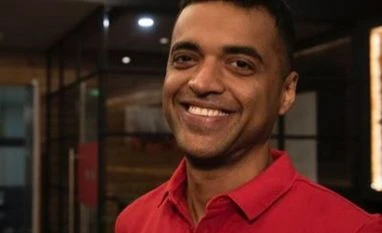
Eternal founder shared posts on X after Zomato, Blinkit deliveries hit record. (Photo: X/@deepigoyal)
Listen to This Article
Eternal founder Deepinder Goyal on Thursday hit out at what he described as “vested narratives”, saying claims that gig workers are exploited do not reflect reality.
His remarks came after his platforms, Zomato and Blinkit, delivered more than 7.5 million orders on New Year’s Eve, marking their highest-ever single-day volume.
In a post on X, Goyal said concerns around quick deliveries often stem from a misunderstanding of how the system works.
“I understand why everybody thinks that 10-minute delivery must be risking lives, because it is hard to imagine the sheer complexity of the system design that enables quick deliveries,” he said.
Goyal added, “No system is perfect, and we are all for making it better than today. However, it is far from what is being portrayed on social media by people who don’t understand how our system works and why”.
Also Read

 "gig economy India FY26, gig worker growth 2025, TeamLease gig jobs data, quick commerce hiring India, e-commerce gig jobs India, logistics gig workforce, last-mile delivery jobs India, festive season hiring India, gig job trends FY26, SkyeAir drone d")
 "Qcom, quick commerce")
 "cigarette, Smoking")
 "Just a day ahead of the hurriedly called Vodafone Idea (Vi) meeting meant to soothe the nerves of investors amid the company's sliding stock price and a negative narrative around it, the telco announced a $3.6-billion (Rs 30,000 crore) deal with glob")
 "Food delivery")
Goyal counters claims of gig worker exploitation
Rejecting allegations of worker exploitation, Goyal said, “If I were outside the system, I would also believe that gig workers are being exploited, but that’s not true.”
Explaining how the delivery timeline functions, he said the promise of quick delivery was not driven by speed.
“Our 10-minute delivery promise is enabled by the density of stores around your homes. It’s not enabled by asking delivery partners to drive fast. Delivery partners don’t even have a timer on their app to indicate the promised delivery time,” he said.
He added that orders on Blinkit were typically picked and packed within 2.5 minutes, after which riders travelled an average distance of under two kilometres in about eight minutes.
“That’s an average of 15 kmph,” he said. Goyal also urged critics to engage directly with delivery partners: “If you’ve ever wanted to know why millions of Indians voluntarily take up platform work and sometimes even prefer it to regular jobs, just ask any rider partner when you get your next food or grocery order,” he said, adding, “You will be humbled by how rational and honest they are.”
One more thing. Our 10 minute delivery promise is enabled by the density of stores around your homes. It’s not enabled by asking delivery partners to drive fast. Delivery partners don’t even have a timer on their app to indicate what was the original time promised to the…
— Deepinder Goyal (@deepigoyal) January 1, 2026
The post followed an earlier message in which Goyal said operations remained stable despite calls for strikes by sections of gig workers and urged customers not to be influenced by “narratives pushed by vested interests”.
Record New Year’s Eve orders amid strike calls
Goyal said coordination with local authorities ensured uninterrupted operations.
“Support from local law enforcement helped keep a small number of miscreants in check, enabling over 0.45 million delivery partners across both platforms to deliver more than 7.5 million orders to over 6.3 million customers during the day,” he said.
Goyal added that the surge did not involve any incentives beyond what was typically offered on New Year’s Eve.
“This happened without any additional incentives for delivery partners. New Year’s Eve does see higher incentives than usual days, and yesterday was no different from past New Year’s Eves,” he said.
Thanking delivery partners, Goyal said, “Most importantly, thank you to our delivery partners who showed up despite intimidation, stood their ground, and chose honest work and progress.”
Addressing criticism of the gig economy more broadly, he said claims of an “unfair” system overlooked its scale and impact.
“One thought for everyone: if a system were fundamentally unfair, it would not consistently attract and retain so many people who choose to work within it. Please don’t get swept up by narratives pushed by vested interests,” he said.
He added that the gig economy remained a major source of organised job creation in India.
“The real impact will compound over time, when delivery partners’ children, supported by stable incomes and education, enter the workforce and help transform the country at scale,” he said.
Earlier in the day, food delivery platforms Swiggy, Zomato and Magicpin said they recorded a sharp surge in orders on New Year’s Eve, with the agitation having a negligible impact on operations. Magicpin said hundreds of thousands of orders came in every hour across metro cities.
The Gig & Platform Service Workers Union claimed that more than 0.1 million workers from 22 cities participated in the strike, including around 0.014 million from major cities such as Delhi and Mumbai.
Government think tank NITI Aayog estimated that India had over 12.7 million gig workers, a number expected to rise to 23.5 million by 2029–30.
More From This Section
 "Reserve Bank of India, RBI")
 "taxi, cab")
 "Passenger Vehicles, GST, Auto industry, Car sales")
 "iron ore")
 "KYC")
Don't miss the most important news and views of the day. Get them on our Telegram channel
First Published: Jan 01 2026 | 9:31 PM IST