


A singular approach
Pollution-control plans must be coordinated across north India
premium
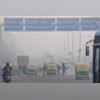
Delhi’s winter pollution-control measures require coordinated action across the National Capital Region and stubble-burning districts to deliver cleaner air (PTI Photo/Shahbaz Khan)
Listen to This Article
The administration of Delhi has been admirably proactive in invoking the first stage of the Graded Response Action Plan (GRAP I) as soon as the air-quality index (AQI) in the city jumped from 179 to 244 (“poor”) in a day. The first of a four-stage response linked to the AQI levels bans coal and wood burning (including tandoors used in restaurants and open eateries) and the use of diesel-generator sets except in some circumstances. This comes just under a week ahead of Delhi’s winter-pollution action plan, which restricts petrol pumps from dispensing fuel to vehicles without valid pollution-control certificates, bans outside vehicles that do not conform to Bharat-VI emission standards, introduces a 50 per cent work-from-home mandate, doubles parking fees to discourage the use of personal vehicles, and restricts construction. These norms will be in place till the end of February. This early response is a well-meaning attempt to control winter pollution, for which the city has earned a global reputation. However, its efficacy is still to be tested, given the onset of the paddy stubble-burning season, the precipitous drop in wind speed, the monitoring abilities of the Delhi government, and the Diwali fireworks onslaught, which has, inexplicably, not been banned.