


Year-ender 2025: How smartphones quietly transformed into AI-first devices
AI quietly reshaped smartphones in 2025, shifting them from feature-driven tools to context-aware companions that anticipate intent, reduce friction and fade into everyday use
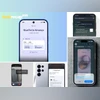 "AI features in smartphones")
From suggestions to handling tasks, AI quietly became central to how smartphones functioned and adapted to users in 2025
Listen to This Article
There was no single moment in 2025 when smartphones suddenly became “AI-first.” No announcement, no dramatic shift, no overnight transformation. Instead, it happened slowly, almost imperceptibly. One day, I realised I was doing fewer things manually. Another day, my phone seemed to understand what I wanted without being asked. And at some point, that behaviour stopped feeling novel and started feeling normal.
That is what defined smartphones in 2025. Not new hardware tricks or flashy software labels, but a quiet change in how devices behaved. AI didn’t arrive as a feature you had to seek out. It settled into the background, shaping interactions without demanding attention.
A year earlier, AI still felt like something you activated. You opened an app, typed a prompt, waited for a response, and moved on. In 2025, that relationship changed. AI stopped asking to be engaged and began working alongside you, shaping the experience in ways that felt natural rather than performative.
When smartphones stopped asking and started assuming
One of the clearest shifts this year was how smartphones began making small assumptions on behalf of users. Not reckless ones, but gentle, context-aware decisions that reduced friction.
You would open your phone and find information already arranged in a way that made sense. A reminder appeared before you remembered to set one. A task felt halfway done before you even realised you had started it. These moments were easy to miss, but together they reshaped daily use.
Also Read

 "initial public offerings, IPO")
 "Year ender 2025, market outlook 2026, market events 2025")
 "Year ender 2025: Sector valuation")
 "stock market performance in 2025")
 "car insurance policy")
The change wasn’t about speed or raw capability. It was about flow. Phones became better at understanding what came next, not because they were told, but because they had learned patterns over time. That understanding reduced the need for constant input, making interactions feel lighter and more intuitive.
What stood out was how quickly this behaviour became expected. Once phones started anticipating intent, going back to manual steps felt unnecessarily heavy. The adjustment happened quietly, without fanfare, but it fundamentally altered how people interacted with their devices.
When phones stopped feeling like tools
As this behaviour became more common, phones began to feel less like collections of apps and more like cohesive systems. Tasks no longer lived inside clearly defined boundaries. A message could lead into a document. A screenshot could turn into a reminder. Information flowed instead of sitting still.
This shift made the experience feel less mechanical. You were no longer navigating a grid of tools, but moving through a connected environment that understood continuity. The phone became less about launching things and more about maintaining momentum.
That sense of continuity mattered. It reduced friction and mental load. You spent less time thinking about where something lived and more time simply doing what you set out to do. Over time, the device itself faded into the background, which is perhaps the most telling sign of progress.
Smartphones didn’t become invisible, but they became quieter. And that quietness changed how often you noticed them at all.
The comfort of convenience
With that ease came a different relationship between user and device. Phones began to feel more accommodating, more attentive. They filled in gaps, suggested next steps, and smoothed out transitions between tasks.
There was comfort in that. Convenience became the default state rather than a bonus feature. You could move through your day with fewer interruptions and less friction, trusting that your phone would keep up.
At the same time, this comfort introduced a new layer of awareness. The more a device understood context, the more it needed access to patterns, habits, and behaviour. Even when nothing felt intrusive, there was an underlying sense that more of your digital life was being observed, processed, and interpreted in the background.
Most of the time, this trade-off felt acceptable. The experience was smoother, calmer, and easier to live with. But it also required a quiet trust that the systems making these decisions were doing so responsibly. That balance between convenience and control became one of the defining tensions of 2025.
At times, the phone felt almost too eager. A suggestion appeared before you were ready for it. An assumption missed the mark. These moments were small, but they served as reminders that ease and oversight do not always move in lockstep.
What 2025 ultimately revealed
Looking back, 2025 was not the year smartphones became dramatically smarter. It was the year they became more considerate. They learned when to speak and when to stay quiet. They learned how to assist without interrupting. They learned to support rather than demand attention. In doing so, they reshaped daily interactions in ways that were easy to overlook but hard to reverse.
The most meaningful changes were not visible in specification sheets or feature lists. They lived in the spaces between actions, in the moments when technology stepped back instead of stepping forward.
And that may be the most important shift of all. When technology becomes easier to live with, not louder, it stops feeling like a tool and starts feeling like part of the rhythm of everyday life.
More From This Section
 "Vijay Sales Apple Days sale")
 "OPPO Reno 15C")
 "artificial intelligence, AI")
 "Tech Wrap December 26")
 "Samsung One UI 8.5")
Don't miss the most important news and views of the day. Get them on our Telegram channel
First Published: Dec 29 2025 | 11:54 AM IST