


Trump puts pressure on Asian ally South Korea to pay more for its defence
The pressure from Trump comes as North Korea appears to be more emboldened through its growing partnership with Russia
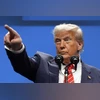 "Donald Trump, Trump")
The sharing of costs for hosting 28,500 US troops in South Korea was a bone of contention during Trump’s first presidency. (File Photo: PTI)
Listen to This Article
By Soo-Hyang Choi
President Donald Trump said South Korea should pay more for its own defence, upping pressure on the Asian ally after sending a letter to extend time for negotiations before 25 per cent across-the-board levies are set to kick in for its shipments to the US.
“South Korea is making a lot of money and they are very good, they are very good but you know, they should be paying for their own military,” Trump said during a Cabinet meeting on Tuesday.
The remarks were made a day after Trump announced duties of 25 per cent on goods from Japan and South Korea starting August in his first wave of letters to key trading partners. The decision effectively extended the deadline for negotiations between the two countries with the 25 per cent figure for South Korea matching the level that was set to be implemented on July 9 barring a deal.
Also Read

 "BRICS Summit, BRICS")
 "Asian market, Asian stocks")
 "Marco Rubio")
 "Gaza, Gaza strike")
 "US President Donald Trump")
The sharing of costs for hosting 28,500 US troops in South Korea was a bone of contention during Trump’s first presidency. Referring to their negotiations during his first term, Trump said South Korea “went crazy” when he demanded South Korea pay billions of dollars a year for the American troops stationed on its soil.
The pressure from Trump comes as North Korea appears to be more emboldened through its growing partnership with Russia — a relationship that has likely helped the country’s nuclear and missile programs.
After Nato leaders agreed to increase their defence spending to 5 per cent of gross domestic product last month, South Korea said similar discussions were ongoing between the allies. South Korea plans to spend 2.32 per cent of its GDP on defence this year, according to its defence Ministry.
Asked to comment on Trump’s remarks, the ministry said the two countries should uphold their agreement to ensure stable stationing of American troops in South Korea and maintain a firm defence posture.
The US and South Korea reached a five-year cost-sharing deal for hosting American forces on the divided peninsula last year. Under the agreement, South Korea will raise its share of the costs to 1.52 trillion won ($1.1 billion) in 2026, up 8.3 per cent from this year.
More From This Section
 "gavel")
 "Texas floods, Texas")
 "US President Donald Trump")
 "Boats sit after being washed ashore following deadly flooding in Kerr County, Texas, U.S., July 5, 2025")
 "Donald Trump, Trump")
Don't miss the most important news and views of the day. Get them on our Telegram channel
First Published: Jul 09 2025 | 9:26 AM IST