Uttar Pradesh govt to provide free pulses, oilseeds to 1 million farmers

UP is among India's top agricultural-producing states. Its food grain production jumped from 55.7 million tonnes (mt) in 2016-17 to nearly 72.5 mt in 2024-25
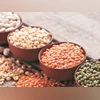
Pulses export policy change to take time to fructify
According to the Mobile Fertilizer Management System portal, which tracks fertiliser movements in India, UP currently has an available fertiliser stock of nearly 2.6 mt.
Virendra Singh Rawat Lucknow
2 min read Last Updated : Nov 06 2025 | 6:12 PM IST
The Uttar Pradesh government will distribute free pulses and oilseeds to nearly a million farmers for the current rabi season.
 
It is expected to boost the sowing of these major cash crops and provide remunerative prices to the UP farm community.
 
UP is among India's top agricultural-producing states. Its food grain production jumped from 55.7 million tonnes (mt) in 2016-17 to nearly 72.5 mt in 2024-25.
 

Also Read

To access free minikits containing pulses and oilseeds, state farmers will need to apply online. The eligible farmers for one million minikits will be selected by a lottery, according to UP Agriculture Minister Surya Pratap Shahi.
 
He said the farmers are already receiving the rabi seeds of high-yielding crop varieties, such as wheat, gram, peas, mustard, etc, at a 50 per cent subsidy.
 
This initiative, launched across 75 districts, aims to make both India and UP self-reliant in the production of pulses and oilseeds, thereby reducing imports.
 
Additionally, the state will organise over 7,600 ‘kisan pathshalas' (farmers' classes) to provide farmers with modern agricultural knowledge aimed at increasing crop yields and reducing damage from pests and diseases. 
 
Shahi stated that the Yogi Adityanath government has ensured sufficient supplies of both seeds and fertilisers for the rabi season.
 
He asserted that there is no shortage of fertilisers (urea) or other essential phosphatic soil nutrients, including diammonium phosphate (DAP) and nitrogen-phosphorus-potash (NPK), in the state.
 
According to the Mobile Fertilizer Management System portal, which tracks fertiliser movements in India, UP currently has an available fertiliser stock of nearly 2.6 mt.
 
The government has also intensified monitoring along international and interstate borders to combat the black market in fertilisers.
 
Cases of siphoning or illegal sales of these essential commodities are prosecuted under the stringent Essential Commodities Act (ECA) by the government.
 
India also imports a large portion of its fertilisers and faces challenges related to various factors, including geopolitical issues and cyclical supply chain disruptions.

One subscription. Two world-class reads.

Already subscribed? Log in

Subscribe to read the full story →
*Subscribe to Business Standard digital and get complimentary access to The New York Times

Smart Quarterly

₹900

3 Months

₹300/Month

SAVE 25%

Smart Essential

₹2,700

1 Year

₹225/Month

SAVE 46%
*Complimentary New York Times access for the 2nd year will be given after 12 months

Super Saver

₹3,900

2 Years

₹162/Month

Subscribe

Renews automatically, cancel anytime

Here’s what’s included in our digital subscription plans

Exclusive premium stories online

  • Over 30 premium stories daily, handpicked by our editors

Complimentary Access to The New York Times

  • News, Games, Cooking, Audio, Wirecutter & The Athletic

Business Standard Epaper

  • Digital replica of our daily newspaper — with options to read, save, and share

Curated Newsletters

  • Insights on markets, finance, politics, tech, and more delivered to your inbox

Market Analysis & Investment Insights

  • In-depth market analysis & insights with access to The Smart Investor

Archives

  • Repository of articles and publications dating back to 1997

Ad-free Reading

  • Uninterrupted reading experience with no advertisements

Seamless Access Across All Devices

  • Access Business Standard across devices — mobile, tablet, or PC, via web or app

Topics :Uttar Pradesh governmentagriculture economyUP governmentagriculture growthoilseeds

Next Story



