India remains on alert as Nipah virus cases surface in Kerala and West Bengal, prompting heightened surveillance, isolation protocols and airport screening of travellers to prevent further spread. The zoonotic virus, which carries a
fatality rate ranging from 40 per cent to 75 per cent, according to the World Health Organization (WHO), spreads to humans through contact with infected fruit bats, contaminated food, or close contact with infected individuals. While Nipah often begins as a fever or respiratory illness, it can rapidly progress to severe brain inflammation, making it one of the most lethal viral infections known today. Here’s all you should know.
According to Dr Deep Das, neurologist at CK Birla Hospitals, CMRI, after entering the human body, the Nipah virus first establishes infection in the upper respiratory tract, where it begins active replication, and from there it spreads through the bloodstream and affects multiple organs.
The turning point, he explains, is the virus’s effect on blood vessels.
“A key factor determining whether the virus reaches the brain is its ability to damage the lining of blood vessels. This vascular inflammation weakens the blood–brain barrier, allowing the virus to cross into the brain and cause neurological involvement.”
Which brain cells does the Nipah virus attack first?
“Within the brain, the
Nipah virus primarily infects endothelial cells lining blood vessels, and can also affect neurons and glial cells,” Dr Das explains.
This is serious because these cells control both blood supply and brain signalling.
“When these cells are damaged, normal brain signalling and blood flow are disrupted. This leads to seizures, confusion, coma, and focal neurological deficits such as speech or movement problems.”
This is why symptoms can escalate frighteningly fast.
“Brain injury in Nipah infection results from direct viral damage as well as secondary mechanisms,” explains Dr Das.
He adds that much of the harm comes from the body’s own reactions. “Blood vessel inflammation, micro-strokes, immune overreaction and cytokine-driven inflammation together worsen brain swelling and dysfunction.”
“Brain imaging often shows diffuse swelling and multiple small lesions, reflecting vascular injury,” says Dr Das. “Cerebrospinal fluid (CSF) findings indicate inflammation, while autopsy studies reveal widespread vasculitis and neuronal damage.”
One crucial clinical clue stands out during outbreaks. “Rapid progression from fever to neurological symptoms is an important early diagnostic signal,” he adds.
Why do some Nipah patients deteriorate faster than others?
According to Dr Das, not every infection follows the same path. “Disease severity depends on viral load, how quickly the virus reaches the brain, the nature of the immune response, and existing health conditions,” he explains.
“Early vascular involvement combined with an exaggerated inflammatory response tends to lead to rapid decline.”
Can Nipah-related brain disease recur after recovery?
Dr Das says relapsing or delayed-onset encephalitis has been reported weeks or even months after recovery, which raises serious concerns. “It suggests possible viral persistence in the brain or delayed immune-mediated inflammation, highlighting the need for long-term neurological follow-up in survivors.”
Recovery, therefore, may not be the end of the story.
What treatment options exist for Nipah encephalitis?
Despite years of research, treatment options remain limited. “There is currently no proven antiviral treatment for Nipah encephalitis,” Dr Das says plainly.
“Experimental antivirals and monoclonal antibodies show promise but lack strong clinical evidence. Steroids may reduce inflammation but must be used cautiously.”
For now, care is largely supportive. “Management remains intensive and supportive, focusing on stabilising the patient.”
“Doctors watch for the earliest neurological warning signs that include headache, confusion, drowsiness, seizures, and rapid loss of consciousness following fever,” Dr Das notes.
During outbreaks, recognising these signs early can save lives. “Strict isolation, full PPE use, hand hygiene, and limiting staff exposure are essential,” says Dr Das.
For more health updates, follow #HealthWithBS This content is for informational purposes only and is not a substitute for professional medical advice.

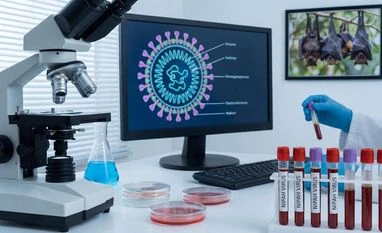 "What happens inside the body after exposure to the deadly Nipah virus")


 Connect with us on WhatsApp