He said private-sector participation had been the key to this transformation — whether in depot modernisation, connecting nearly 13,000 villages with regular bus service, or running electric buses, which is reducing pollution. To improve connectivity in underserved areas, tenders have been issued for 1,540 new routes, with active participation from the private sector.
Singh said that earlier policies offered private operators only three-year leases, charged 2 per cent rent, and did not allow borrowing, which created difficulties. These policies were changed promptly. Now, private transport companies receive 90-year leases, pay only 0.5 per cent rent, and are allowed to take loans. For electric buses, the transport department retains only 3 per cent of profits, with the rest going to the private operator, while government conductors ensure operational control.

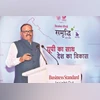 "BS Samriddhi: Uttar Pradesh racing ahead on all fronts, says Pathak")










 Connect with us on WhatsApp