iPhone 17 Air will set stage for Apple's port-free smartphone era: Report
Reportedly, Apple has redesigned several internal components, including the display and silicon, to optimise battery life on the anticipated iPhone 17 Air
Harsh Shivam New Delhi Apple reportedly considered removing the charging port entirely in the
upcoming iPhone 17 Air, exploring the possibility of a fully wireless design, according to a Bloomberg report. However, the company ultimately decided against it.
While a port-free design was ruled out, Apple has redesigned several internal components, including the display and silicon, to optimise efficiency. The report stated that the device's ultra-slim profile necessitated a smaller battery, leading Apple to make significant modifications to maintain battery life. In addition to hardware changes, Apple has reportedly introduced software optimisations to further enhance power efficiency.
iPhone 17 Air: What to expect
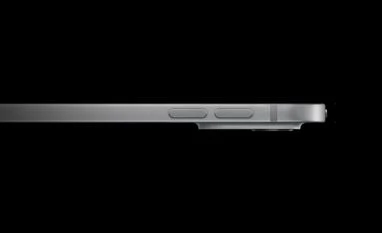
Bloomberg's report sheds light on the potential specifications of the iPhone 17 Air. The device is expected to be Apple's thinnest iPhone yet, measuring 5.5mm in thickness—thinner than the iPhone 6, which currently holds the record at 6.9mm. To achieve this ultra-thin design, Apple may have to make some hardware compromises, including limiting the rear camera set-up to a single sensor. Analyst Ming-Chi Kuo previously reported that the model would feature a 48MP main camera and a 24MP front-facing camera.
The iPhone 17 Air is expected to sport a 6.6-inch display with ProMotion technology, allowing for dynamic refresh rate adjustments up to 120Hz. It is also likely to feature the Camera Control button, which debuted on the iPhone 16 series.
For performance, the Air model is expected to be powered by the next-generation A19 series chip, in line with the rest of the iPhone 17 line-up. Additionally, Apple is reportedly equipping the device with its in-house C1 modem chip, which recently debuted on the iPhone 16e.
The report suggests that the iPhone 17 Air will replace the Plus model in Apple's line-up. Pricing is expected to be similar to the Plus variant, with an estimated starting price of around $900—comparable to the iPhone 16 Plus, which starts at $899 in the US.

 "iPhone 17 Air will set stage for Apple's port-free smartphone era: Report")

