


A survival manual for small businesses
In the 1990s, low-priced Chinese brushes entered the US market. Initially, they were of poor quality, so American manufacturers were not worried.
 "book")
premium
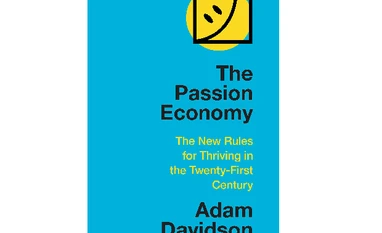
The Passion Economy: The New Rules for Thriving in the Twenty-First Century | Image: Amazon.com
5 min read Last Updated : Feb 21 2020 | 2:39 AM IST
The Passion Economy: The New Rules for Thriving in the Twenty-First Century
Author: Adam Davidson
Publisher: Hachette India
Price: Rs 599
The challenges that Long Island-based Braun Brush faced at the start of this century are emblematic of what many small businesses in America, and across the globe, are confronted with today. Its response demonstrates how they can find a way out of their troubles.
Braun Brush was founded in 1875 by Emanuel Braun, who created a brush that made it easy to clean milk bottles. When these sold well, he produced more varieties to meet diverse needs. His son Albert added to the lineup of innovative offerings.
After Albert, his son-in-law Max Cheney took over the business. In the early part of the 20th century, the American market was expanding. Virtually anything that was produced sold out easily. Max reduced the variety of brushes and focused instead on producing them in larger numbers and distributing them across the country.
In the 1990s, low-priced Chinese brushes entered the US market. Initially, they were of poor quality, so American manufacturers were not worried. But by 2002, Chinese factories were churning out brushes that were on a par with those of American producers, at a much lower cost.
Max’s son Lance had been warning his father since the nineties about the competition from imports. He suggested taking Braun Brush back to its artisanal roots. His father brushed aside his warnings and the company’s fortunes plummeted.
When Lance took over the reins, he decided not to produce any brush that Chinese manufacturers were also capable of producing. Braun would henceforth only produce highly customised brushes. One he came up with was for a nuclear plant. The plant had been using brushes that left tiny pieces on the floor that could be dangerous. Lance’s brushes left no residues. He developed another that met NASA’s exacting specifications. A third one was for Frito Lay, which wanted a brush that would not ever leave a single hair behind. A hair in a packet of potato chips could result in an expensive lawsuit for the company. Max’s clients willingly pay a premium for his specialised offerings.
Cheap imports from China and other low-wage countries, robotised factories, and global shipping have sounded the death knell of many a small business. Adam Davidson’s book contains stories of those like Braun Brush that have successfully met the challenge posed by this milieu and prospered.
Mr Davidson’s key recommendation is that small businesses should not compete headlong against large ones at the high-volume, low-margin, commoditised game. They can only survive by using their expertise to produce value-added products that cater to niche markets. The products they offer must demonstrably save money for clients, help them earn more, or improve their lives, so that they are willing to pay a premium. By catering to a niche audience, a small business circumvents the competition altogether as large businesses do not find it worthwhile to cater to the specialised needs of a small number of customers.
Embracing this way of doing business, which the author refers to as “the passion economy”, may require a business to shed its current customers. Mr Davidson narrates the story of an accountant who disliked auditing. But he had one talent. By poring over the books of a business, he could tell in a trice what the business person was doing wrong. From auditing books, he shifted to becoming a business consultant. This transition, however, meant he had to shed his old customers who wanted accounting work from him and would only pay him by the hour. He had to take on new ones willing to pay him higher rates for his strategic advice.
The book is replete with fascinating stories. A couple of ladies in Vermont wanted to wear men-inspired clothing. The clothes available offered the cut they wanted but were not suited to their body shapes. They started a new line offering precisely that and found many takers.
Another story is of a North Carolina-based textile manufacturer, Glen Raven. Assailed by competition from cheap imports, Allen Gant, Jr., the owner, transformed the company into one whose staff is constantly scouring markets across the globe for specialised needs. Glen Raven moved into manufacturing specialised textiles like headliners for the inside of a car’s ceiling that were better than those available. It came up with a mesh for the water-filtration industry that strained out pollutants more effectively. Another innovation was a polyester fabric with an adhesive coating that can be applied to the walls of mines to prevent cave-ins. All these are not exactly a textile manufacturer’s bailiwick, but then nothing focuses the mind as wonderfully on innovation as the fear of extinction.
Anyone who intends to start a business will gain immensely from the insights in Mr Davidson’s book.
Topics : BOOK REVIEW economy SME