


As coronavirus epidemic spreads, Indian steel industry may have a meltdown
Coronavirus is likely to keep up the pressure on Indian domestic steel prices in the near term
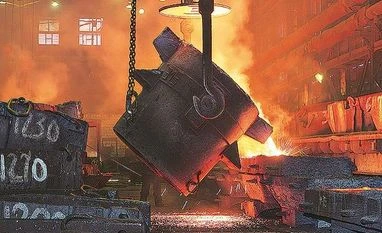 "steel, metal, industry")
premium
Because of the sheer size of its steel industry, whatever happens in China impacts the rest of the world, including India, always fearful of artificially-priced imports of steel products.
In many ways, China’s industrial economy remains a riddle wrapped in an enigma. This characteristic was evident when the World Steel Association (WSA) reported recently that China, which has over 53 per cent share of global steel production, managed to lift output in January by 7.2 per cent year on year to 84.3 million tonnes (mt). The riddle is on two counts: First, January is marked by Lunar New Year holidays when manufacturing and trading are at a low ebb. But when the week-long break was over, Beijing sought to contain the damage wrecked by the rapidly spreading coronavirus by extending the holiday more than once and restricting travel. All this kept factory attendance low.
In such circumstances, the January steel production is logic-defying - when infrastructure and construction projects and metal-consuming downstream units, struggling to mobilise manpower, could not but depress local demand for steel in China. The WSA ahead of the virus outbreak and ArcelorMittal afterwards thought Chinese domestic steel demand would be up just one per cent this year, a tectonic change over estimated growth of 7.8 per cent in 2019 when there was a production spike of 8.3 per cent to 996.3 mt.
Because of the sheer size of its steel industry, whatever happens in China impacts the rest of the world, including India, always fearful of artificially-priced imports of steel products.
“What do you expect Chinese steelmakers, starved of domestic inquiries, to do when inventories of finished products rise sharply on the back of production spurt? They will be desperate to export as much as possible,” says an industry official here. He adds that when domestic steel sales are about one-third the pre-coronavirus level, some of China’s leading steel groups are offering price discounts of up to $55 a tonne on hot-rolled coil (HRC) to become early sellers in South East Asia in particular. For example, Hebei-based Anfeng Iron & Steel managed to sell large quantities of HRC to Vietnam last month at prices that other Chinese steelmakers found market-disruptive.
China’s export aggression brings bad forebodings for Indian steelmakers whose exports have ranged from a low of 6.36 mt in 2018-19 to a high of 9.62 mt the previous year. India is now likely to be robbed of the advantage of selling steel in South East Asia. Coronavirus is likely to keep up the pressure on Indian domestic steel prices in the near term. Financial services group Edelweiss says India may also have to contend with more HRC imports from Japan and South Korea offering a discount of 3 to 4 per cent over prices.
In such circumstances, the January steel production is logic-defying - when infrastructure and construction projects and metal-consuming downstream units, struggling to mobilise manpower, could not but depress local demand for steel in China. The WSA ahead of the virus outbreak and ArcelorMittal afterwards thought Chinese domestic steel demand would be up just one per cent this year, a tectonic change over estimated growth of 7.8 per cent in 2019 when there was a production spike of 8.3 per cent to 996.3 mt.
Because of the sheer size of its steel industry, whatever happens in China impacts the rest of the world, including India, always fearful of artificially-priced imports of steel products.
“What do you expect Chinese steelmakers, starved of domestic inquiries, to do when inventories of finished products rise sharply on the back of production spurt? They will be desperate to export as much as possible,” says an industry official here. He adds that when domestic steel sales are about one-third the pre-coronavirus level, some of China’s leading steel groups are offering price discounts of up to $55 a tonne on hot-rolled coil (HRC) to become early sellers in South East Asia in particular. For example, Hebei-based Anfeng Iron & Steel managed to sell large quantities of HRC to Vietnam last month at prices that other Chinese steelmakers found market-disruptive.
China’s export aggression brings bad forebodings for Indian steelmakers whose exports have ranged from a low of 6.36 mt in 2018-19 to a high of 9.62 mt the previous year. India is now likely to be robbed of the advantage of selling steel in South East Asia. Coronavirus is likely to keep up the pressure on Indian domestic steel prices in the near term. Financial services group Edelweiss says India may also have to contend with more HRC imports from Japan and South Korea offering a discount of 3 to 4 per cent over prices.