


Indian workers in U.S. fear Trump H-1B visa crackdown
Plan to re-look highly skilled visa has holders looking for backup plans, employers weighing options
 "Infosys")
premium
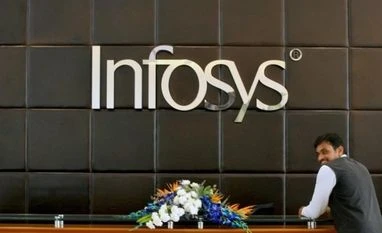
Infosys headquarters in Bengaluru
Santosh Pillai was wooed to work in the U.S. for his coding skills more than a decade ago and has built a good life in Cupertino, Calif. He considers it home and is awaiting approval for his green card—but is now worried his family could be forced leave.
As President Donald Trump follows through on his campaign promises to tighten America’s borders, Mr. Pillai fears he, his wife and two children may have to return to India.
“It’s like getting kicked in the stomach,” said the 51-year-old, who works for an American computer-chip maker that he declined to name, fearful of added scrutiny. “The future is very uncertain.”
A draft of an executive order for Mr. Trump’s consideration calls for the government to re-examine a range of visa programs to ensure they protect “the jobs, wages and well-being of United States workers.” This includes the H-1B visa program, which provides visas for highly skilled foreign workers.
Adding to the unease, two Indian nationals who worked as engineers at technology company Garmin Ltd. were shot Wednesday at a bar in suburban Kansas by a man who witnesses say used racial slurs before opening fire. One of the Indian men died.
Critics say the H-1B program, which is supposed to be used to bring in workers with skills that are scarce in the U.S., is too often used to bring in tech workers—largely from India—who are willing to work for less than Americans.
Three of the top five H-1B employers in 2014, the latest year for which data is available, were outsourcing firms from India, according to Department of Homeland Security and U.S. Citizenship and Immigration Services data analyzed by Ron Hira, an associate professor of public policy at Howard University.
Between them, Tata Consultancy Services Ltd., Infosys Ltd. and Wipro Ltd. brought in more than 12,000 new H-1B workers that year. By comparison, large U.S. consumer-technology firms Microsoft Corp., Alphabet Inc.’s Google and Apple Inc. brought in about 2,000 such workers in all.
Demand is so high for H-1B visas that for the last four years the number of applications has surpassed the entire fiscal year’s 85,000 supply in under one week, triggering a lottery.
On the campaign trail, Mr. Trump vowed to “end forever the use of the H-1B as a cheap labor program.”
U.S. tech companies are wary of new restrictions.
“It is the enlightened immigration policy of this country that even made it possible for me to come here in the first place, and gave me all this opportunity,” Microsoft Chief Executive Satya Nadella, who was born in India, told employees last month, according to a transcript posted on the company’s website. A Microsoft spokeswoman declined to comment on the company’s use of the H-1B program.
As President Donald Trump follows through on his campaign promises to tighten America’s borders, Mr. Pillai fears he, his wife and two children may have to return to India.
“It’s like getting kicked in the stomach,” said the 51-year-old, who works for an American computer-chip maker that he declined to name, fearful of added scrutiny. “The future is very uncertain.”
A draft of an executive order for Mr. Trump’s consideration calls for the government to re-examine a range of visa programs to ensure they protect “the jobs, wages and well-being of United States workers.” This includes the H-1B visa program, which provides visas for highly skilled foreign workers.
Adding to the unease, two Indian nationals who worked as engineers at technology company Garmin Ltd. were shot Wednesday at a bar in suburban Kansas by a man who witnesses say used racial slurs before opening fire. One of the Indian men died.
Critics say the H-1B program, which is supposed to be used to bring in workers with skills that are scarce in the U.S., is too often used to bring in tech workers—largely from India—who are willing to work for less than Americans.
Three of the top five H-1B employers in 2014, the latest year for which data is available, were outsourcing firms from India, according to Department of Homeland Security and U.S. Citizenship and Immigration Services data analyzed by Ron Hira, an associate professor of public policy at Howard University.
Between them, Tata Consultancy Services Ltd., Infosys Ltd. and Wipro Ltd. brought in more than 12,000 new H-1B workers that year. By comparison, large U.S. consumer-technology firms Microsoft Corp., Alphabet Inc.’s Google and Apple Inc. brought in about 2,000 such workers in all.
Demand is so high for H-1B visas that for the last four years the number of applications has surpassed the entire fiscal year’s 85,000 supply in under one week, triggering a lottery.
On the campaign trail, Mr. Trump vowed to “end forever the use of the H-1B as a cheap labor program.”
U.S. tech companies are wary of new restrictions.
“It is the enlightened immigration policy of this country that even made it possible for me to come here in the first place, and gave me all this opportunity,” Microsoft Chief Executive Satya Nadella, who was born in India, told employees last month, according to a transcript posted on the company’s website. A Microsoft spokeswoman declined to comment on the company’s use of the H-1B program.