


No sex please, we're Apple: iPhone giant seeks TV success on its own terms
Apple has twice postponed the launch of its first slate of shows, moving it to March from late this year, agents and producers said
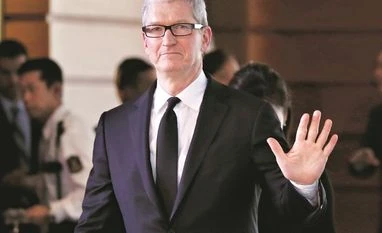 "Apple, Tim, Cook")
premium
Timothy D Cook, CEO, Apple


Tim Cook sat down more than a year ago to watch Apple’s first scripted drama, “Vital Signs,” and was troubled by what he saw. The show, a dark, semi-biographical tale of hip hop artist Dr. Dre, featured characters doing lines of cocaine, an extended orgy in a mansion and drawn guns.
It’s too violent, Mr. Cook told Apple Music executive Jimmy Iovine, said people familiar with Apple’s entertainment plans. Apple can’t show this.
Across Hollywood and inside Apple, the show has become emblematic of the challenges faced by the technology giant as it pushes into entertainment. Apple earmarked $1 billion for Hollywood programming last year. But in the tone CEO Mr. Cook has set for it, whatever Apple produces mustn’t taint a pristine brand image that has helped the company collect 80% of the profits in the global smartphone market.
Apple’s entertainment team must walk a line few in Hollywood would consider. Since Mr. Cook spiked “Vital Signs,” Apple has made clear, say producers and agents that it wants high-quality shows with stars and broad appeal, but it doesn’t want gratuitous sex, profanity or violence.
The result is an approach out of step with the triumphs of the video-streaming era. Other platforms, such as HBO and Amazon.com Inc., have made their mark in original content with edgier programming that often wins critical acclaim. Netflix Inc., which helped birth the streaming revolution, built its original-content business on “House of Cards,” a drama about an ethically bankrupt politician, and “Orange Is the New Black,” a comedic drama about a women’s prison. Both feature rough language and plenty of sex.
As a consumer-product company, Apple is especially exposed if content strikes a sour note, said Preston Beckman, a former NBC and Fox programming executive. For Netflix, the only risk is that people don’t subscribe, he said. “With Apple, you can say, ‘I’m going to punish them by not buying their phone or computer.’ "
Apple has twice postponed the launch of its first slate of shows, moving it to March from late this year, agents and producers said. One leading producer with projects at Apple expects the date to be pushed back yet further.
Hollywood routinely humbles big companies that try to join its club. In 2014, Microsoft Corp. closed its Hollywood unit, Xbox Entertainment Studios, before it got off the ground. Coca-Cola Co. , which owned Columbia Pictures in the 1980s, found its success with “Ghostbusters” and “Stand by Me” was outweighed by expensive flops such as “Ishtar.”
Entertainment is “irrational and unpredictable,” said Peter Sealey, a consultant who led marketing for Coke’s Hollywood business.
Apple excels at devices and Coke at soft drinks, he said, but “movies and TV are none of that. They’re emotional.” Mr. Cook told analysts in July that Apple wasn’t ready to detail its Hollywood plans, but he felt “really good about what we will eventually offer.” The company didn’t make executives available for interviews for this article.
Hollywood is central to Apple’s strategy. As growth slows in the number of iPhones sold, Apple is trying to accelerate its services business, which includes the App Store, mobile payments and entertainment, including its music-subscription offering. It wants shows to support a video service on its TV app that could be bundled with subscriptions such as iCloud storage, said the people familiar with Apple’s entertainment plans.
Apple’s arrival coincides with upheaval in Hollywood. Declining pay-TV subscriptions and the rise of Netflix have set off an entertainment land grab. Tech giants such as Amazon and Facebook Inc. are offering video services to deepen ties with existing customers. Traditional media and telecom companies are trying to fend them off with mergers, such as Walt Disney Co.’s deal for 21st Century Fox Inc. assets and AT&T Inc.’s acquisition of Time Warner Inc.
It’s too violent, Mr. Cook told Apple Music executive Jimmy Iovine, said people familiar with Apple’s entertainment plans. Apple can’t show this.
Across Hollywood and inside Apple, the show has become emblematic of the challenges faced by the technology giant as it pushes into entertainment. Apple earmarked $1 billion for Hollywood programming last year. But in the tone CEO Mr. Cook has set for it, whatever Apple produces mustn’t taint a pristine brand image that has helped the company collect 80% of the profits in the global smartphone market.
Apple’s entertainment team must walk a line few in Hollywood would consider. Since Mr. Cook spiked “Vital Signs,” Apple has made clear, say producers and agents that it wants high-quality shows with stars and broad appeal, but it doesn’t want gratuitous sex, profanity or violence.
The result is an approach out of step with the triumphs of the video-streaming era. Other platforms, such as HBO and Amazon.com Inc., have made their mark in original content with edgier programming that often wins critical acclaim. Netflix Inc., which helped birth the streaming revolution, built its original-content business on “House of Cards,” a drama about an ethically bankrupt politician, and “Orange Is the New Black,” a comedic drama about a women’s prison. Both feature rough language and plenty of sex.
As a consumer-product company, Apple is especially exposed if content strikes a sour note, said Preston Beckman, a former NBC and Fox programming executive. For Netflix, the only risk is that people don’t subscribe, he said. “With Apple, you can say, ‘I’m going to punish them by not buying their phone or computer.’ "
Apple has twice postponed the launch of its first slate of shows, moving it to March from late this year, agents and producers said. One leading producer with projects at Apple expects the date to be pushed back yet further.
Hollywood routinely humbles big companies that try to join its club. In 2014, Microsoft Corp. closed its Hollywood unit, Xbox Entertainment Studios, before it got off the ground. Coca-Cola Co. , which owned Columbia Pictures in the 1980s, found its success with “Ghostbusters” and “Stand by Me” was outweighed by expensive flops such as “Ishtar.”
Entertainment is “irrational and unpredictable,” said Peter Sealey, a consultant who led marketing for Coke’s Hollywood business.
Apple excels at devices and Coke at soft drinks, he said, but “movies and TV are none of that. They’re emotional.” Mr. Cook told analysts in July that Apple wasn’t ready to detail its Hollywood plans, but he felt “really good about what we will eventually offer.” The company didn’t make executives available for interviews for this article.
Hollywood is central to Apple’s strategy. As growth slows in the number of iPhones sold, Apple is trying to accelerate its services business, which includes the App Store, mobile payments and entertainment, including its music-subscription offering. It wants shows to support a video service on its TV app that could be bundled with subscriptions such as iCloud storage, said the people familiar with Apple’s entertainment plans.
Apple’s arrival coincides with upheaval in Hollywood. Declining pay-TV subscriptions and the rise of Netflix have set off an entertainment land grab. Tech giants such as Amazon and Facebook Inc. are offering video services to deepen ties with existing customers. Traditional media and telecom companies are trying to fend them off with mergers, such as Walt Disney Co.’s deal for 21st Century Fox Inc. assets and AT&T Inc.’s acquisition of Time Warner Inc.