


Ola plans to go Dutch on investor hunt; eyes 50 global cities by 2019
Apart from Uber, Ola will compete with Taxify, an Estonia-headquartered unicorn which raised money from the likes of China's Didi Chuxing and Daimler
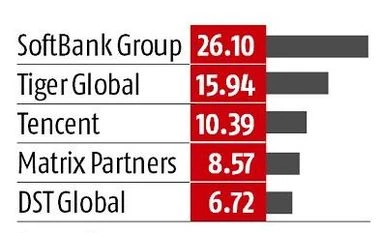 "graph")
premium
graph


Bhavish Aggarwal-led Ola is planning to go to Amsterdam soon, it is learnt. The cab aggregator, which started its global foray with Australia early this year and then added the UK on the Ola map soon after, wants to reach 50 international cities by 2019.
Uber’s rival is looking at more than just geographical expansion. Its global ambition is an attempt to find a clutch of investors, who could help it raise another round of capital, people in the know said.
“Currently, Ola does not have an update on new launches,” said an Ola spokesperson.
Amsterdam, with a good public transport system, is important for Ola. While trams, buses, and cycle lanes make travel easy and the need for cabs is already being met by the existing services, both Uber and Ola have their eyes trained firmly on the city. The top reasons include the big-ticket sizes in the city. “When people do take rides, the fares are higher and it is all a matter of creating habit,” says an executive at one of the two cab companies.
The geographical reason is compelling. Uber has been using Amsterdam as the base of operations for its Central, Northern and Eastern European, and North Africa operations. Amsterdam’s location gives its executives easy access to most cities in the European Union. Ola wants to follow a similar path.
Sources pointed out Ola couldn’t step out earlier as the global anti-Uber alliance came in the way. The alliance was broken when SoftBank decided to buy an equity stake in Uber last year.
It further dissolved when Singapore-based Grab merged with Uber in Southeast Asia.
That cleared the road for Ola.
Currently, apart from Uber, Ola will compete with Taxify, an Estonia-headquartered unicorn which raised money from the likes of China’s Didi Chuxing and Daimler. In certain East European countries, where Uber has been banned, Taxify is a virtual monopoly in app-based ride-hailing services.
In addition, Ola has obtained the licence to operate in London and plans to grow within the UK much more aggressively. For instance, it’s looking at Ireland as a market, with Dublin being the first destination.
Uber’s rival is looking at more than just geographical expansion. Its global ambition is an attempt to find a clutch of investors, who could help it raise another round of capital, people in the know said.
“Currently, Ola does not have an update on new launches,” said an Ola spokesperson.
Amsterdam, with a good public transport system, is important for Ola. While trams, buses, and cycle lanes make travel easy and the need for cabs is already being met by the existing services, both Uber and Ola have their eyes trained firmly on the city. The top reasons include the big-ticket sizes in the city. “When people do take rides, the fares are higher and it is all a matter of creating habit,” says an executive at one of the two cab companies.
The geographical reason is compelling. Uber has been using Amsterdam as the base of operations for its Central, Northern and Eastern European, and North Africa operations. Amsterdam’s location gives its executives easy access to most cities in the European Union. Ola wants to follow a similar path.
Sources pointed out Ola couldn’t step out earlier as the global anti-Uber alliance came in the way. The alliance was broken when SoftBank decided to buy an equity stake in Uber last year.
It further dissolved when Singapore-based Grab merged with Uber in Southeast Asia.
That cleared the road for Ola.
Currently, apart from Uber, Ola will compete with Taxify, an Estonia-headquartered unicorn which raised money from the likes of China’s Didi Chuxing and Daimler. In certain East European countries, where Uber has been banned, Taxify is a virtual monopoly in app-based ride-hailing services.
In addition, Ola has obtained the licence to operate in London and plans to grow within the UK much more aggressively. For instance, it’s looking at Ireland as a market, with Dublin being the first destination.