


Gains ahead for SBI: Higher NIM could lead to double digit earnings growth
A recovering economy may lead to higher credit demand from corporates, despite rising rates and there are signs that retail consumption is picking up
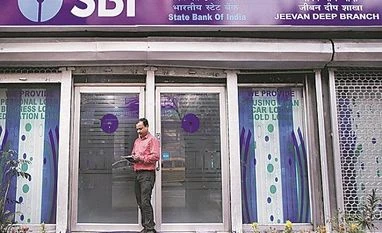 "state bank of india, sbi, banks, bank branch")
premium
Loan growth has accelerated – it is up 15% YoY and the fastest growth segments are high-yield retail and small and medium enterprises
Conventional wisdom suggests that a rising rate cycle is generally bad for lenders. First, a portfolio of earlier loans at lower rates becomes less valuable. Second, higher rates generally lead to lower demand for loans so banks can also suffer loss of credit volume.
However, the current scenario has other macro-variables playing out and those may be more favourable. A recovering economy may lead to higher credit demand from corporates, despite rising rates and there are signs that retail consumption is picking up.
Loan growth has accelerated – it is up 15 per cent year-on-year (YoY) -- and the fastest growth segments are high-yield retail and small and medium enterprises. Within retail, unsecured loans are up 30 per cent YoY in the first quarter for the 2022-23 financial year (Q1FY23), and growth is expected to accelerate through the next three quarters. Credit costs are coming down because asset quality is improving. Overall, system credit costs are estimated to fall below 1 per cent.
At least for a while, net interest margin (NIM) trends for banks could also be getting stronger as lending rate hikes have outpaced deposit rate hikes and there is a shift in the loan mix towards higher-yield segments. Yields on externally benchmarked loans have increased by 140-190 basis points (bps) in the year to date and by 60-90 bps for MCLR or marginal cost of funds based lending rate-linked loans.
However, the current scenario has other macro-variables playing out and those may be more favourable. A recovering economy may lead to higher credit demand from corporates, despite rising rates and there are signs that retail consumption is picking up.
Loan growth has accelerated – it is up 15 per cent year-on-year (YoY) -- and the fastest growth segments are high-yield retail and small and medium enterprises. Within retail, unsecured loans are up 30 per cent YoY in the first quarter for the 2022-23 financial year (Q1FY23), and growth is expected to accelerate through the next three quarters. Credit costs are coming down because asset quality is improving. Overall, system credit costs are estimated to fall below 1 per cent.
At least for a while, net interest margin (NIM) trends for banks could also be getting stronger as lending rate hikes have outpaced deposit rate hikes and there is a shift in the loan mix towards higher-yield segments. Yields on externally benchmarked loans have increased by 140-190 basis points (bps) in the year to date and by 60-90 bps for MCLR or marginal cost of funds based lending rate-linked loans.