


Tata Steel Europe to get 45% in joint venture with ThyssenKrupp
A new agreement between the two partners represents an increase of around $695 million for ThyssenKrupp shareholders as compared with last September's deal
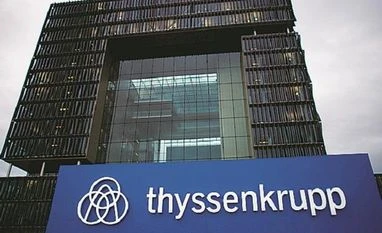 "Crack in the welding: Tata Steel, ThyssenKrupp JV hits speed bump")
premium


Tata Steel Europe will get 5 per cent less stake in its proposed joint venture (JV) with ThyssenKrupp of Germany than what was envisaged in September 2017, thanks to its slowing earnings.
According to the new plan, the German firm will own about 55 per cent equity in the new company, while Tata Steel will own the remaining 45 per cent.
A new agreement between the two partners represents an increase of around $695 million for ThyssenKrupp shareholders as compared with last September’s deal. The Tatas have also agreed to pay for potential environmental risks at a coke oven at its Port Talbot plant in the UK, and for investments should it be necessary.
Despite lower valuation for its European assets, Tata Steel shares closed 3.61 per cent higher as investors cheered the agreement. The JV will take over Rs 200 billion of Tata Steel’s debt. As on March this year, Tata Steel’s gross debt was Rs 921 billion.
The changes happened after ThyssenKrupp’s activist shareholders pressured management to squeeze better terms from the deal. The talks over the joint venture have dragged on for more than a year and faced opposition from labour representatives, as well as activist shareholders. ThyssenKrupp’s labour representatives said on Thursday they would vote in favour of the JV, paving the way for it to go through.
According to the new plan, the German firm will own about 55 per cent equity in the new company, while Tata Steel will own the remaining 45 per cent.
A new agreement between the two partners represents an increase of around $695 million for ThyssenKrupp shareholders as compared with last September’s deal. The Tatas have also agreed to pay for potential environmental risks at a coke oven at its Port Talbot plant in the UK, and for investments should it be necessary.
Despite lower valuation for its European assets, Tata Steel shares closed 3.61 per cent higher as investors cheered the agreement. The JV will take over Rs 200 billion of Tata Steel’s debt. As on March this year, Tata Steel’s gross debt was Rs 921 billion.
The changes happened after ThyssenKrupp’s activist shareholders pressured management to squeeze better terms from the deal. The talks over the joint venture have dragged on for more than a year and faced opposition from labour representatives, as well as activist shareholders. ThyssenKrupp’s labour representatives said on Thursday they would vote in favour of the JV, paving the way for it to go through.