


Why there might not be another COO like Meta's Sheryl Sandberg
Sandberg's India visit in 2014 was no lower in profile than Jeff Bezos' two months later
 "Sheryl Sandberg")
premium
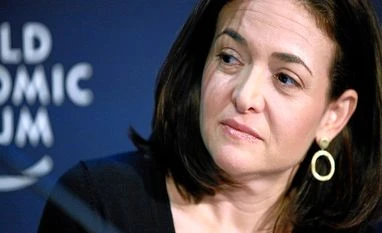
File photo of Sheryl Sandberg
In 2008, when Sheryl Sandberg was getting ready to join Facebook as its chief operating officer, she made three demands:
* She would sit next to Mark Zuckerberg, the founder and chief executive officer
* Zuckerberg will meet her one-on-one every week
* During the one-on-ones, he would give her honest feedback
Zuckerberg agreed, and went a step further. The feedback, he said, must come from both sides.
Then he went another step further. Soon after Sandberg joined, Zuckerberg had this realisation that he had not really had a chance to travel. So, he took off for a month without leaving many instructions for the new COO, nor was he easy to reach during his month off.
“It seemed crazy – but it was a display of trust I have never forgotten,” said Sandberg in a Facebook post announcing her decision to step down as the COO of Meta, as the company owning Facebook is now called.
That trust sowed the seeds of what would become a unique equation between a founder and a professional COO. It was this trust that helped Sandberg become a close and commanding second face for Facebook – not usual for a professional manager in a startup culture dominated by a founder whose t-shirts and hoodies have become a thing. It is their near-equal partnership during the last 14 years that made Meta what it is today.
This kind of thing happens once in a generation, not least because founders such as Zuckerberg and companies such as Meta do not roll around too frequently. This is what Steve Jobs might have had in mind when he got John Sculley from Pepsi to run Apple in 1983. We know how that story ended – Sculley fired Jobs and Apple went downhill.
Compared with Jobs-Sculley, Larry Page and Sergey Brin had a far more fruitful association with Eric Schmidt, whom they hired as the CEO of Google in 2001. Schmidt’s years at Google saw tremendous growth, but his most impactful contribution, as Wired magazine put it, was to redefine adult supervision through “a delicate balancing act” of being the boss of the two founders as well as their student.
Schmidt was 46 when he joined Google; Page and Brin were both 28. The founders got Schmidt because they had promised their two main venture capital investors they would get an experienced CEO once the company took off.
The circumstances of Sandberg’s joining Meta were different.
Leaning in
Sandberg and Zuckerberg first met at a party. He was 23, the hotshot founder of a fledgling startup. She was 38, already a seasoned professional having served as vice-president of global online sales and operations at Google and chief of staff for the United States Treasury Department under former President Bill Clinton. They got introduced right at the door and talked for most of the night.
Joining Facebook on March 24, 2008, Sandberg took time to fit in. In the beginning, she said in her post, she would schedule a meeting with an engineer for nine o’clock in the morning, but no one would show up, assuming she had meant nine in the evening. “Who comes to work at nine in the morning?” In time, she would go on to shape parts of Facebook in her own image.
* She would sit next to Mark Zuckerberg, the founder and chief executive officer
* Zuckerberg will meet her one-on-one every week
* During the one-on-ones, he would give her honest feedback
Zuckerberg agreed, and went a step further. The feedback, he said, must come from both sides.
Then he went another step further. Soon after Sandberg joined, Zuckerberg had this realisation that he had not really had a chance to travel. So, he took off for a month without leaving many instructions for the new COO, nor was he easy to reach during his month off.
“It seemed crazy – but it was a display of trust I have never forgotten,” said Sandberg in a Facebook post announcing her decision to step down as the COO of Meta, as the company owning Facebook is now called.
That trust sowed the seeds of what would become a unique equation between a founder and a professional COO. It was this trust that helped Sandberg become a close and commanding second face for Facebook – not usual for a professional manager in a startup culture dominated by a founder whose t-shirts and hoodies have become a thing. It is their near-equal partnership during the last 14 years that made Meta what it is today.
This kind of thing happens once in a generation, not least because founders such as Zuckerberg and companies such as Meta do not roll around too frequently. This is what Steve Jobs might have had in mind when he got John Sculley from Pepsi to run Apple in 1983. We know how that story ended – Sculley fired Jobs and Apple went downhill.
Compared with Jobs-Sculley, Larry Page and Sergey Brin had a far more fruitful association with Eric Schmidt, whom they hired as the CEO of Google in 2001. Schmidt’s years at Google saw tremendous growth, but his most impactful contribution, as Wired magazine put it, was to redefine adult supervision through “a delicate balancing act” of being the boss of the two founders as well as their student.
Schmidt was 46 when he joined Google; Page and Brin were both 28. The founders got Schmidt because they had promised their two main venture capital investors they would get an experienced CEO once the company took off.
The circumstances of Sandberg’s joining Meta were different.
Leaning in
Sandberg and Zuckerberg first met at a party. He was 23, the hotshot founder of a fledgling startup. She was 38, already a seasoned professional having served as vice-president of global online sales and operations at Google and chief of staff for the United States Treasury Department under former President Bill Clinton. They got introduced right at the door and talked for most of the night.
Joining Facebook on March 24, 2008, Sandberg took time to fit in. In the beginning, she said in her post, she would schedule a meeting with an engineer for nine o’clock in the morning, but no one would show up, assuming she had meant nine in the evening. “Who comes to work at nine in the morning?” In time, she would go on to shape parts of Facebook in her own image.
Mark Zuckerberg and Sheryl Sandberg | Photo: Sheryl Sandberg/Facebook