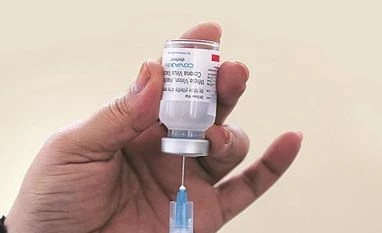
Paul said the studies have found that the chances of oxygen requirement among vaccinated health workers were only 8 per cent and for ICU admission was only 6 per cent. “Health workers are the most vulnerable during the pandemic. Despite being a high-risk group, the studies have shown that vaccines protect and reduce the chance of serious disease,” Paul said.
Assuring that there would be a systematic flow of vaccines in the private sector, Paul said state governments are aggregating information about the spread of private facilities, their demand and capacity to absorb the vaccine supply based on which the doses will be made available.
According to the health ministry data, 53 per cent of all vaccines given in the last six weeks are in rural areas. “Vaccination will gather pace with the participation of the state, Centre, and private sector,” he said.
According to the new guidelines that come into effect from June 21, states would have to aggregate the demand of private hospitals keeping in mind regional balance and equal distribution among large and small hospitals.
Referring to the recent serosurvey by the All India Institute of Medical Sciences and World Health Organization, Paul said children have been as affected as adults in the pandemic although it has been a mild infection. He said however, the public-private sector will work together to ensure there is enough infrastructure to provide child-specific treatment.
“If the virus mutates and starts to affect the growing human beings then we have to be prepared,” Paul said. The AIIMS-WHO study found seroprevalence — prevalence of Covid antibodies 3 in 55.7 per cent of those between 2 and 17 years of age and in 63.5 per cent of those in the above 18 years age group.
Paul also said even with a high degree of seroprevalence, the situation should not be taken for granted. The previous data has shown a high degree of seropositivity in the population in Brazil and even Delhi, but the variant caused a huge surge of infections in the last wave.
Almost 85 per cent decline has been noted in daily new cases since the highest reported peak on May 6.
A sharp decline of 81 per cent has been noted in the weekly case positivity rate. It was the highest at 21.6 per cent between April 30-May 6 and down to around 4 per cent in the last week, the health ministry data said. Covid-19 positivity rate is less than 5 per cent in 513 districts, it said.


 "Vaccination cuts chances of hospitalisation by 75-80%, says Centre")