


Air India has broken 19-year privatisation jinx
The Union government had been trying to privatise public sector enterprises (PSEs) for four years through what it safely labels 'strategic sale'.
 "Air India")
premium
Photo: Bloomberg
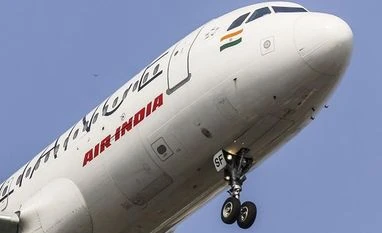
The privatisation of government-owned companies has resumed after a hiatus of almost 19 years with the Narendra Modi government deciding to sell Air India to Tata Group. The Centre had been trying to privatise public sector enterprises (PSEs) for four years through what it safely labels “strategic sale”.
A list of 20 firms was drawn up in 2017 but the investor community evinced little enthusiasm for them. The last time a PSE was privatised was by the Atal Bihari Vajpayee government, which demitted office in May 2004.
There were a series of controversies that came with it, leading to successive governments dropping strategic sale from their agenda. While Air India was on the initial list of 2017, Bharat Petroleum Corporation Ltd, Container Corporation of India, and Shipping Corporation of India were later added to the government’s privatisation plans on November 20, 2019.
In its second term, a more confident BJP-led government decided to go headlong into the privatisation initiative to help it meet its disinvestment target.
Under a new policy notified in February 2021, government ownership in four notified strategic sectors will be kept at a “bare minimum”. The companies in these sectors will be considered either for privatisation, merger, or making them subsidiaries of other PSEs, or closure. Privatisation will be the course of all PSEs in the non-strategic sectors wherever feasible, or else they will be closed.
With this, the strategic sectors of petroleum, airlines, railways, and shipping became part of the government’s privatisation programme. The Modi government till now has followed the less risky route of selling PSEs to its own companies rather than private promoters. Oil and Natural Gas Corporation, for instance, bought 51.1 per cent in Hindustan Petroleum Corporation in January 2018. Power Finance Corporation bought Rural Electrification Corporation in March 2019 while NTPC bought NEEPCO and THDC the following year in March 2020.
A list of 20 firms was drawn up in 2017 but the investor community evinced little enthusiasm for them. The last time a PSE was privatised was by the Atal Bihari Vajpayee government, which demitted office in May 2004.
There were a series of controversies that came with it, leading to successive governments dropping strategic sale from their agenda. While Air India was on the initial list of 2017, Bharat Petroleum Corporation Ltd, Container Corporation of India, and Shipping Corporation of India were later added to the government’s privatisation plans on November 20, 2019.
In its second term, a more confident BJP-led government decided to go headlong into the privatisation initiative to help it meet its disinvestment target.
Under a new policy notified in February 2021, government ownership in four notified strategic sectors will be kept at a “bare minimum”. The companies in these sectors will be considered either for privatisation, merger, or making them subsidiaries of other PSEs, or closure. Privatisation will be the course of all PSEs in the non-strategic sectors wherever feasible, or else they will be closed.
With this, the strategic sectors of petroleum, airlines, railways, and shipping became part of the government’s privatisation programme. The Modi government till now has followed the less risky route of selling PSEs to its own companies rather than private promoters. Oil and Natural Gas Corporation, for instance, bought 51.1 per cent in Hindustan Petroleum Corporation in January 2018. Power Finance Corporation bought Rural Electrification Corporation in March 2019 while NTPC bought NEEPCO and THDC the following year in March 2020.
Topics : Air India privatisation