


Business badly hit, Sivakasi, home of fireworks, is losing its spark
The pandemic, muted festivals and pollution concerns may slash sales by half
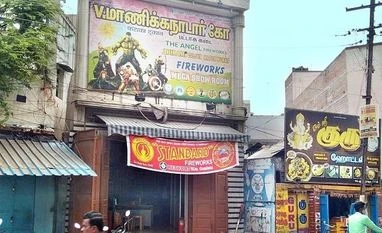 "Sivasaki Firework industry")
premium
(Photo: Shine Jacob)
Enter the fireworks city of Sivakasi in Tamil Nadu and you can smell a familiar mix of sulphur, potassium nitrate, aluminium and carbon — familiar because if you’ve ever burst crackers, say on Diwali or Onam, chances are they were made here.
Almost every household used to contribute to India’s festive joy by contributing almost 90 per cent of the fireworks made in the country.
Before the pandemic, around 300,000 people worked in the industry directly and another 500,000 indirectly.
Located 540 kilometres from Chennai, Sivakasi is famous for its fireworks and crackers, along with printing and matches, but is almost a ghost town these days.
“At least 200 fireworks units have closed down in the last one year. Those units that are still open are working at a capacity of only 20-30 per cent,” said Balaji T K of Sree Balaji Fireworks.
There are currently 1,070 manufacturing units in and around Sivakasi, according to data from the Tamil Nadu Fireworks Amorces Manufacturers’ Association (Tanfama). The association claims that the size of the industry prior to Covid-19 was Rs 3,000 crore in 2019-2020.
It’s not just the pandemic that has shrunk every Indian festival to a shadow of its exuberant self. Pollution also has been a factor. The National Green Tribunal (NGT) has banned the sale and use of firecrackers in places with a poor air quality index (AQI) during the pandemic. The ban covers 122 cities.
In a small work space, 45-year-old Mareeswari (who identifies only her first name) sits with two other workers wrapping gunpowder with paper. Each unit is separated by a distance of at least 12-15 metres to follow the safety norms.
Almost every household used to contribute to India’s festive joy by contributing almost 90 per cent of the fireworks made in the country.
Before the pandemic, around 300,000 people worked in the industry directly and another 500,000 indirectly.
Located 540 kilometres from Chennai, Sivakasi is famous for its fireworks and crackers, along with printing and matches, but is almost a ghost town these days.
“At least 200 fireworks units have closed down in the last one year. Those units that are still open are working at a capacity of only 20-30 per cent,” said Balaji T K of Sree Balaji Fireworks.
There are currently 1,070 manufacturing units in and around Sivakasi, according to data from the Tamil Nadu Fireworks Amorces Manufacturers’ Association (Tanfama). The association claims that the size of the industry prior to Covid-19 was Rs 3,000 crore in 2019-2020.
It’s not just the pandemic that has shrunk every Indian festival to a shadow of its exuberant self. Pollution also has been a factor. The National Green Tribunal (NGT) has banned the sale and use of firecrackers in places with a poor air quality index (AQI) during the pandemic. The ban covers 122 cities.
In a small work space, 45-year-old Mareeswari (who identifies only her first name) sits with two other workers wrapping gunpowder with paper. Each unit is separated by a distance of at least 12-15 metres to follow the safety norms.
Prices of raw materials are also rising. According to manufacturers, aluminium prices have increased by 30%; paper and paper products by 40-60%; and sulphur by 100% (Photo: Shine Jacob)