


General elections may stall India-EU trade pact talks: Cravinho
The negotiations to have the deal with EU started in 2007, have already been stalled several times
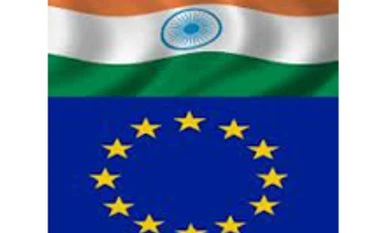)
Cravinho said with the impending general elections, which is slated for around May 2014 as of now, it will be difficult for the government to negotiate such an ambitious and broad-based deal like this. The negotiations to have the deal - Broad-Based Trade and Investment Agreement (BTIA) – with EU started in 2007.
“We are now coming to the crunch. There is nothing left to be negotiated now. In India elections are on the horizon now and we do not know how far or how near is that horizon. In such a scenario, the circumstances are not conducive for negotiating international agreements. We are not there yet, we cannot guarantee if we can be there. But we should be there,” he told reporters here today.
The ambassador also added that the deal will be beneficial for both sides with unprecedented gains on both sides across all sectors. He, however, also said that the talks have gone on a much slower pace than expected.
“A lot hinges whether we can manage to do the FTA (free trade agreement). It has been a fairly slow progress largely because we are planning to have an ambitious deal. From Indian perspective it is much more an ambitious deal because it covers all sectors mainly services and procurement. But for EU this is less ambitious than what we are negotiating with US or Korea,” he added.
EU had been unrelenting on their demands for more tariff concessions in India’s auto sector, which has resulted in severe opposition from the auto manufacturers in India who protest that cheaper imports would into their industry resulting in massive job losses. Similar problems have also risen with the wines and spirits sector. EU has also demanded for stronger implementation of the Intellectual Property Protection norms that might affect the country’s the generic drugs industry which exports almost 67 per cent of its produce to other developing and poorer countries.
Referring to the tariff concessions that the EU had been demanding, the ambassador admitted that “there are gaps but they are not large enough that those cannot be closed.”
The proposed trade pact with EU would result in removal of import duties on more than 90 per cent of total tariff lines. However, Cravinho also hinted at the fact that had the talks gone on as decided, the EU was also game to go in for total elimination of tariffs.
“We had hoped for a zero-zero proposal ultimately eliminating tariffs. But that does not seem achievable anymore.”
Cravinho also clearly said that if talks with India fail to arrive at a successful conclusion soon, then the EU would be forced to give more attention on the negotiations it is having with US and Japan for having trade pacts with them.
“If the focus shifts to US and Japan, then I am afraid the talks to have a deal with India might go on for years.”
During a recent meeting between external affairs minister Salman Khurshid and Baroness Catherine Ashton, EU's High Representative for Foreign Affairs and Security Policy and the Vice President of the EC, both sides agreed to conclude the talks before the EU-India Summit, which is scheduled to take place later this year in Brussels.
Last week, commerce and industry minister Anand Sharma had also assured that India and EU is “on the verge” of signing the deal.

Don't miss the most important news and views of the day. Get them on our Telegram channel
First Published: Feb 07 2013 | 3:51 PM IST