


GST clouds over FMCG may get darker in September quarter
Full impact of GST will be felt in the second quarter as trade struggles to move to the new regime
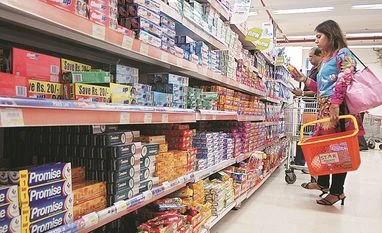 "GST impact: Sep quarter to be tougher for FMCG")
premium
The prospect of a tougher September quarter looms large for fast-moving consumer goods (FMCGs) companies as the full impact of the transition to the goods and services tax (GST) is likely to be felt during this period. While the June quarter saw trade destocking in the last 10 to 15 days of the period, companies and analysts Business Standard spoke to said the problem will persist for a longer duration in the three months to September 30.
"GST is a huge reform and transition will take time. While our internal systems are ready transition (within wholesale) will take another 30 days (to be completed)," Sunil Kataria, business head, India and South Asian Association for Regional Cooperation, Godrej Consumer Products, said.
Wholesale, which is a critical channel for FMCG firms, constitutes about 35-40 per cent of their sales. For companies such as Dabur and Emami, the proportion of sales through wholesale is estimated to be higher at about 45 per cent, analysts said.
They say that the transition period in the September quarter will extend beyond a month as wholesalers are largely unorganised, depending mostly on cash transactions.
"GST is a huge reform and transition will take time. While our internal systems are ready transition (within wholesale) will take another 30 days (to be completed)," Sunil Kataria, business head, India and South Asian Association for Regional Cooperation, Godrej Consumer Products, said.
Wholesale, which is a critical channel for FMCG firms, constitutes about 35-40 per cent of their sales. For companies such as Dabur and Emami, the proportion of sales through wholesale is estimated to be higher at about 45 per cent, analysts said.
They say that the transition period in the September quarter will extend beyond a month as wholesalers are largely unorganised, depending mostly on cash transactions.