The report titled ‘Covid 19 induced lockdown: How is the hinterland coping?’ stated, “While the months of peak food insecurity in most rain-fed regions are July and August, people are already experiencing food insecurity. They have begun consuming fewer items and eating fewer meals every day than similar periods in normal times.” The study estimated that half of the people surveyed admitted to eating lesser than they were before the lockdown came into force on March 24. A significantly higher number of people were eating fewer items per meal; in effect reducing their calorific and nutritional intake. With no income sources due to reduced economic activity, a large number of households were depending on borrowing food grains or on free food from other villagers. On the brighter side, most of them were receiving food grains through ration shops. While people are selling off cattle to meet emergency expenditures on food, the report states that prolonged misery may force them to sell more valuable assets like land, in-milk cattle and agricultural tools. A small proportion of those surveyed admitted mortgaging their land to take loans from moneylenders during the crisis. The report stated, “A majority of households have with them very limited stocks of food grown by them in the last Kharif or Rabi. They will be solely dependent on the food supply through the public distribution system.”
As indebtedness to meet subsistence needs is rising, households are cutting down on expenses like marriages and other social ceremonies. The report estimated that 30 per cent of households may withdraw their children from school. Agricultural distress is also manifesting itself in various forms. 40 per cent of the survey’s respondents said they were running out of seeds and losing access to farm credit to begin sowing for the upcoming Kharif season which runs from June to November. Much of India’s rice is sown during this season. “Unless rural distress is alleviated, the situation could become volatile as the distress could be used to further alienate people. We believe that Governments need to step in and ensure uninterrupted and universal coverage of the PDS to avoid acute food insecurity. The Governments also need to intervene by ensuring seeds supply as well as provision of farm credit to the rural poor,” said Sanjiv Phansalkar, director of VikasAnvesh Foundation, one of the nine NGOs which collaborated in this survey.
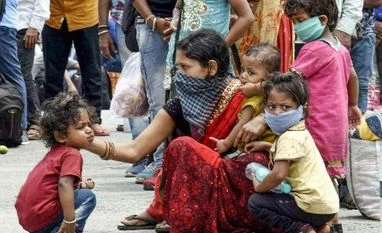
Exacerbating the economic problems are social consequences of returning migrants with two-thirds of the women surveyed reporting in increased drudgery owing to enhanced trips to fetch water and spending more time in fetching firewood. With most migrants returning home exasperated, traumatised and bankrupt, a socio-economic-political nightmare may be unfolding in India’s rural areas.


 "lockdown, coronavirus, Migrant workers")