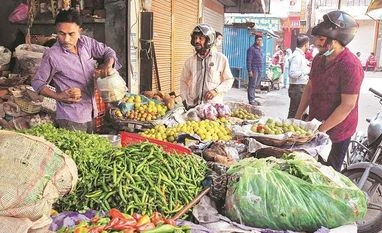
Further data analysis showed that consumer food prices had caught up with wholesale food prices. In April, the wholesale food price index rose 8.9 per cent, while the consumer food price index rose 8.4 per cent (chart 2). Within food, oils and fats, vegetables and spices recorded double-digit increases in April. Vegetable prices increased 2.5-times during this period. Spices inflation went up from 6.2 per cent in February to 10.6 per cent in April (chart 3). In wholesale terms, vegetables, fruits, condiments and spices recorded a double-digit rise in prices in April (chart 4).
The gap was higher when it came to fuel and light/power items. Consumer price inflation in fuel and light subcategories rose by 10.8 per cent in April after declining for three straight months since December. On the wholesale side, fuel and power prices registered a 38.7 per cent increase. Although the two are not strictly comparable, it does indicate the trend that consumer prices in the category may follow, though reduction in taxes would help (chart 5). A rural-urban classification of consumer prices points to some interesting trends. Rural inflation, which had remained lower than urban inflation, has been outpacing urban inflation since the beginning of the year. Rural inflation in April at 8.4 per cent was a 61-month high.
In contrast, urban inflation at 7.1 per cent was the highest in 18 months (chart 6). Higher rural inflation can lead to more distress.
StatsGuru is a weekly feature. Every Monday, Business Standard guides you through the numbers you need to know to make sense of the headlines


 "retail inflation")