


As Asia's biggest slum Dharavi votes, redevelopment not on its mind
In other slums alike, redevelopment has ceased to be a poll issue in the ongoing parliamentary elections in Mumbai, the city where property prices are out of bounds for many
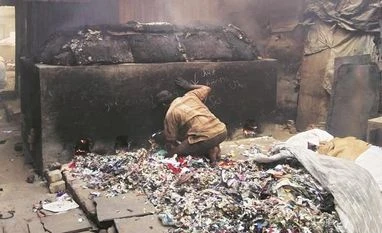 "Just another day: An area inside Dharavi, which the potters’ community calls home | Photo: Abhishek Waghmare")
premium
Just another day: An area inside Dharavi, which the potters’ community calls home | Photo: Abhishek Waghmare
For decades, Dharavi in Mumbai has always been referred to as the biggest slum in Asia, giving a sense that something in India is bigger than that in China. The only thing that can change Dharavi’s sobriquet for good is of course, redevelopment.
But what if the spanner in the wheel is the wheel itself? Dharavi, for long, has resisted its own redevelopment for various reasons, and is choosing status quo even today. Despite initiatives of successive governments to transform the slum cluster into tall residential towers, it is the residents themselves who are silently resisting change.
In other slums alike, redevelopment has ceased to be a poll issue in the ongoing parliamentary elections in Mumbai, the city where property prices are out of bounds for many.
As Shiv Sena workers and the city police scan the crossroad that runs through the slum for an upcoming election rally, Dharavi’s residents, most of them who did not wish to be named, said many of their peers who own leather factories have constructed up to three illegal floors above the ground floor, and brought in tenant workers who live without formal contracts.
But what if the spanner in the wheel is the wheel itself? Dharavi, for long, has resisted its own redevelopment for various reasons, and is choosing status quo even today. Despite initiatives of successive governments to transform the slum cluster into tall residential towers, it is the residents themselves who are silently resisting change.
In other slums alike, redevelopment has ceased to be a poll issue in the ongoing parliamentary elections in Mumbai, the city where property prices are out of bounds for many.
As Shiv Sena workers and the city police scan the crossroad that runs through the slum for an upcoming election rally, Dharavi’s residents, most of them who did not wish to be named, said many of their peers who own leather factories have constructed up to three illegal floors above the ground floor, and brought in tenant workers who live without formal contracts.