


RBI's forex gains enabled it to give Rs 1-trillion dividend to govt
An accounting change enabled the central bank to book gains from the sale of foreign currency against the historical weighted-average holding cost.
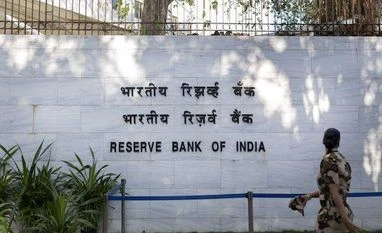 "RBI")
premium
RBI managed to repatriate nearly a trillion rupees in dividend to the government.
The Reserve Bank of India (RBI) booked massive gains on its foreign currency sales and needed to provide much lesser for its reserves in 2020-21 (FY21), helping it to carve out a significant Rs 99,122-crore dividend for the government, revealed the RBI's annual report for FY21.
By doing so, the central bank’s risk buffers have reduced to the bare minimum, which may restrict some of RBI's scale of operations, and would likely hamper dividend payout for financial year 2021-22, said analysts.
The annual accounts are for nine months ended March 31, 2021 since the RBI changed its accounting year from July-June to April-March from FY21. Still, the amount paid as dividend was 73.51 per cent higher than 2019-20's (FY20’s) full-year dividend of Rs 57,127.53 crore. While income for the year decreased 10.96 per cent in a challenging year, the expenditure also nosedived 63.1 per cent, enabling a higher dividend payout. The RBI’s balance sheet expanded 6.99 per cent to Rs 57.08 trillion in the year, against 30.02 per cent a year ago.
Currency sales gain
In the period under consideration, gains from ‘foreign exchange transactions’ increased to Rs 50,629.18 crore, from Rs 29,993.22 crore a year ago - a rise of 68.8 per cent.
From 2018-19, the RBI, under the recommendations of the Jalan Committee, started recognising gains from the sale of foreign currency assets at historical weighted average holding cost. Till then, they were valuing the sales under the weekly revaluation rate, leaving nothing much as gains.
In case of purchases though, any fresh acquisition adds to the weighted average cost.
By doing so, the central bank’s risk buffers have reduced to the bare minimum, which may restrict some of RBI's scale of operations, and would likely hamper dividend payout for financial year 2021-22, said analysts.
The annual accounts are for nine months ended March 31, 2021 since the RBI changed its accounting year from July-June to April-March from FY21. Still, the amount paid as dividend was 73.51 per cent higher than 2019-20's (FY20’s) full-year dividend of Rs 57,127.53 crore. While income for the year decreased 10.96 per cent in a challenging year, the expenditure also nosedived 63.1 per cent, enabling a higher dividend payout. The RBI’s balance sheet expanded 6.99 per cent to Rs 57.08 trillion in the year, against 30.02 per cent a year ago.
Currency sales gain
In the period under consideration, gains from ‘foreign exchange transactions’ increased to Rs 50,629.18 crore, from Rs 29,993.22 crore a year ago - a rise of 68.8 per cent.
From 2018-19, the RBI, under the recommendations of the Jalan Committee, started recognising gains from the sale of foreign currency assets at historical weighted average holding cost. Till then, they were valuing the sales under the weekly revaluation rate, leaving nothing much as gains.
In case of purchases though, any fresh acquisition adds to the weighted average cost.