“This growth has been fuelled by incremental loading of 13.19 MT in coal, followed by 1.68 MT in cement and clinker, 1.57 MT in balance and other goods and 0.64 MT in foodgrains,” the Ministry of Railways said.
Earnings for the month were not immediately available. While there was growth year-on-year, the advent of monsoon and easing of energy and coal demand from the industry saw the railways’ freight going down by 6 MT in comparison with the previous month.
There has also been an increase of 7 per cent in freight leads, or the distance travelled for transportation of goods, which is a source of higher revenue for the railways. The net tonne kilometres (ntkm) for the month stood at 75.8 billion, growing by over 12 billion.
At the peak of the power crisis in May, Railways had cancelled passenger trains to prioritise supply of coal. While those were restored by June, the supply of coal to power plants continued at a steady pace, seeing a marginal decline in June against May. At 51.2 MT, coal supplied to power houses grew by 45 per cent on a year-on-year basis.
“In terms of the number of rakes of coal loaded per day for power houses, Indian Railways has moved more than 420 rakes of domestic coal and more than 32 rakes of imported coal on a daily basis over longer distances. This is reflected in increased lead of thermal coal from 457 km to 565 km,” the ministry said.
Miscellaneous items (balance and other goods) also saw an increase of 17 per cent on year at 10.2 MT in June. These items mostly consist of finished goods, and railways has been vying to increase its share in this department. Currently, its freight basket remains dominated by raw materials.


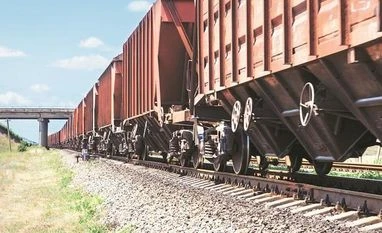 "freight corridors")