


European Union, China and Russia defy US with channel for trade with Iran
"In practical terms this will mean that EU member states will set up a legal entity to facilitate legitimate financial transactions with Iran", says EU foreign affairs chief
 "Donald trump, trump")
premium
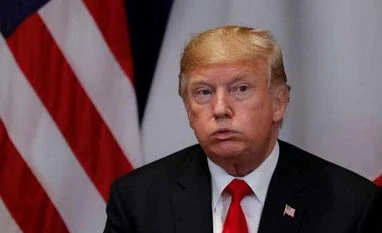
US President Donald Trump. Photo: Reuters


The European Union, China and Russia backed a mechanism to allow “legitimate” business to continue with Iran, a plan aimed at sidestepping American sanctions and allowing international trade to continue unimpeded as President Donald Trump pursues his “America First” agenda.
The push for such a channel, announced by EU foreign affairs chief Federica Mogherini in New York on late Monday, reflects growing calls in countries such as France and Germany for the EU to adopt tools that will allow it to pursue its foreign-policy goals with less recourse to an unpredictable US ally. A chief catalyst was Trump’s decision to withdraw from the Iran nuclear deal even as world powers urged the US to stick to its mandate.
The push for such a channel, announced by EU foreign affairs chief Federica Mogherini in New York on late Monday, reflects growing calls in countries such as France and Germany for the EU to adopt tools that will allow it to pursue its foreign-policy goals with less recourse to an unpredictable US ally. A chief catalyst was Trump’s decision to withdraw from the Iran nuclear deal even as world powers urged the US to stick to its mandate.