


Home / World News / From Industrial policies to cloud computing, 5 sticking issues of trade war
From Industrial policies to cloud computing, 5 sticking issues of trade war
Chinese President Xi Jinping has built much of his plan to complete China's rise to superpower status
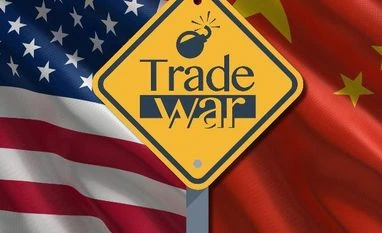 "trade war")
premium
US-China trade war
Last Updated : Aug 17 2018 | 1:28 AM IST
Five sticking points come up over and over among the diplomats, executives and trade negotiators seeking
to end the trade war between Washington and Beijing:
Technology transfer
The US contends that China’s requirements on foreign firms to enter joint ventures in sectors from cars to aerospace represent a de facto mandate to share proprietary technology with local firms. But, China denies forcing firms to transfer technology and argues that joint-venture provisions are essential to closing the nation’s industrial gap with the West.
Industrial overcapacity
Close ties to the party and easy money from government banks fed a vast expansion of China’s state-owned enterprises during its long economic boom. Those industrial giants have been slow to shed excess capacity as growth moderates, flooding global markets with products and putting pressure on overseas jobs.
SOE reform
Although China’s embrace of capitalist market forces powered its expansion, the party never surrendered control over the means of production. State-owned enterprises still hold around 40 per cent of the country’s industrial assets.
Industrial policies
Chinese President Xi Jinping has built much of his plan to complete China’s rise to superpower status on a series of signature policies such as “Made in China 2025.” The programme directs subsidies toward the domination of 10 key industries, including aircraft, new energy vehicles, and biotechnology.
Cloud computing
The internet has presented a daunting challenge to the party’s effort to control China’s almost 1.4 billion citizens, leading Xi to enact a strict “cyber-sovereignty” regime to better manage what information flows into and out of its borders. While that push has drawn a variety of complaints from US companies, they are particularly loud in the area of cloud computing.