The Southeast Asian country plans to eliminate 15 Gigawatt of coal-generation over that time, requiring more than $600 billion of capital support, said Erick Thohir, the state-owned enterprise minister in an interview on late Thursday. The reduction would equate to about 60% of the country’s current coal-fired generation.
Indonesia doesn’t want to rely on bond issuance to support the shift and it needs developed countries to invest, he said. The cost and scale of the work, and the lackluster response to the plan, are a reminder of the challenges the world faces in weaning developing nations off fossil fuels.
“If investment flows in and our company’s cash flow stays positive, then it can reinvest itself into renewable energy,” he said.
The southeast Asian country wants to strike a balance between boosting economic growth and developing green energy, he said. It seeks to reduce fossil fuels demand by promoting the use of electric stoves and vehicles, as well as developing alternative energy sources.
“We want our energy mix later to consist of electricity, palm-based biodiesel and ethanol, just like Brazil and India,” Thohir said.
To support the plan, the government plans to tell state-owned firms to open 700,000 hectares of land for sugar cane crops for producing ethanol and cutting imports.
The government also plans to push projects for processing coal into dimethyl ether, a colorless gas that can be used in fuel, in the next three to four years to help lower the nation’s $4 billion-a-year bill for liquefied petroleum gas.
“We must have energy security and we agree for transformation with our own pace, not what other countries wants us to do,” he said.
Other comments from the interview:


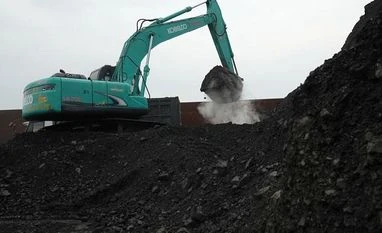 "Photo: Bloomberg")