


Mark Zuckerberg's apology is the linguistic equivalent of 'shit happens'
This week, two high profile CEOs have issued public apologies on behalf of their corporations
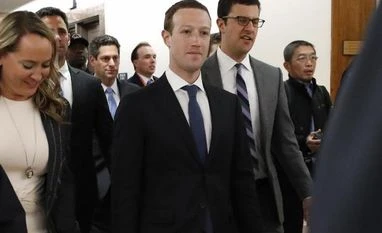 "Mark Zuckerberg")
Mark Zuckerberg


And its contents may be subject to legal proceedings. It may also be couched in words which create the veneer of an apology without a detailed admission of guilt.
This week, two high profile CEOs have issued public apologies on behalf of their corporations. Facebook CEO Mark Zuckerberg apologised at a US Congress hearing for failing to protect the personal data of millions of users in the Cambridge Analytica scandal.
The Commonwealth Bank of Australia’s newly ascended CEO, Matt Comyn, started his first day in the job with an internal email apologising to the bank’s employees, and taking responsibility for the bank’s “mistakes”.
Meaning is a complex process, and not at the beck and call of individuals. It depends not only on what we say, but what we don’t say, and what we do or don’t do.
It also depends on who we are in the scheme of things. Corporate CEOs are required by law to act in the best interests of shareholders.
So a corporate apology is always connected to the benefits it brings to the company. It is not a personal apology, it is a form of institutional positioning.
Say it like you mean it
One small study of corporate apologies focused on the relationship of facial expressions used during an apology to reactions from share markets. Using a sample of 29 corporate apologies, two researchers carefully analysed the minute muscle movements of the apologisers.
Apologies accompanied by the display of positive or neutral emotion were associated with decreased investor confidence as (expressed by negative stock market returns). The effects persisted up to three months after the apology.
This research provides some tips for corporate CEOs - make sure your emotional display shows sufficient remorse for your actions. Otherwise you and your company may have a price to pay.
So how about the Zuckerberg and Comyn apologies? Cleverly, both frame their statements in terms of a lack of action. Zuckerberg said “But it’s clear now that we didn’t do enough”, while CBA’s Matt Comyn told his employees “We have not done enough to protect our customers”.
But like that glass that can be either half-full or half-empty, this is just a linguistic trick. Facebook’s cover-up of the theft of data by Cambridge Analytics can be either construed as a failure to act, or as a form of action. Ditto for the CBA.
Construing your failure as a lack of action affords an important rhetorical benefit: it means you don’t have to lay bare the details of what you have done. It allows you to apologise in vague and general terms, protecting yourself and your shareholders from the brutal details of your company’s transgressions.
So engaging in money laundering or funding terrorist organisations can just be “mistakes we made”. Generic apologies lack an essential part of the definition of an apology, the frank acknowledgement of the offence.
And upping the ante with more statements about taking responsibility, as Zuckerberg has just done before Congress doesn’t fill this gap: