


Shepard Fairey's inauguration posters may define political art in Trump era
The new images do not feature Trump, but ethnic groups that face being excluded from Trump's America
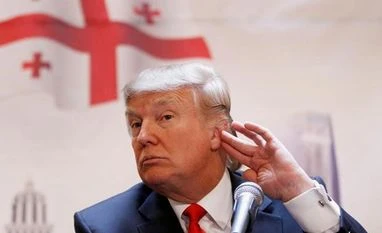 "Donald Trump, us president")
Donald Trump speaks to the press during an announcement in New York. Photo: Reuters
The American street artist Shepard Fairey created a poster for Barack Obama’s presidential election campaign. It was 2008 and the simple red, beige and blue stencilled image of Obama’s face over the word “HOPE” quickly became the iconic image of the election, the rallying cry around which it was fought and won. It remains the enduring image of his presidency.
But it is also now a reminder of promised hope ultimately unfulfilled, and many artists might have concluded they would stay away from politics in future as a result. Instead, Fairey has been at the centre of a Kickstarter initiative to finance a protest poster campaign against Donald Trump’s presidential inauguration called “We the people: public art for the inauguration and beyond”. It has been a great success, raising US$1.4m (£1.1m) in a week. This will see the posters printed as full page adverts in the Washington Post; as placards to be distributed for the inauguration; and as postcards to send to the new president.
The new images do not feature Trump or even refer to him directly, concentrating instead on the ethnic groups that face being excluded from this new president’s America. It’s a radical shift in focus that nevertheless retains the colours from the Obama image and Fairey’s signature stencil style. What does this tell us about his journey as a commentator – and about political art in 2017?
Lost illusions
Fairey’s Obama poster was not about a man but rather a heroic, idealised, abstracted icon. It showed Obama thoughtfully looking upwards and to the right, into the distance towards the future hopes of the nation. It symbolised the promise of things yet to come, yet to be imagined – in keeping with other leaders elected on aspirations for change, such as Tony Blair or John F Kennedy. In Fairey’s image, hope is promised but nothing is specific. It invites the viewer to project their own desires into the icon’s imagination.
For all its inspirational power, the poster set itself up to fail by making a personal promise it could not keep. How could one man fulfil the individual hopes of millions of citizens? Once held up as an example of how a political poster could help bring about positive change in the world, now it perhaps serves as a warning that it’s all just propaganda in the end.
Fairey certainly counts himself among those disappointed by Obama’s eight years in office. When asked in an interview in 2015 whether he thought Obama had lived up to the promise of his poster, Fairey answered bluntly: