Fallen US biotech star Elizabeth Holmes was convicted on Monday of defrauding investors in her blood-testing startup Theranos, in a high-profile case seen as an indictment of Silicon Valley culture. Jurors found Holmes guilty of four counts of tricking investors into pouring money into what she claimed was a revolutionary testing system, after a complex and lengthy trial. They acquitted her of a number of charges she had faced, and did not reach a verdict on others.
The 37-year-old now faces the possibility of up to 20 years behind bars. Holmes had vowed to revolutionise diagnostics with self-service machines that could run an array of tests on just drops of blood, a vision that drew high-profile backers and made her a billionaire by the age of 30.
She was hailed as the next tech visionary on magazine covers and collected mountains of investors’ cash, but it all collapsed after the Wall Street Journal reporting revealed the machines didn't work as promised.
Prosecutors spent 11 weeks presenting over two dozen witnesses, as they painstakingly laid out their argument that Holmes knew her technology did not work as promised and took steps to mislead investors and patients.
She personally put the logos of pharma giants Pfizer and Schering-Plough onto Theranos reports hailing the company’s blood-testing technology, which were then shared with investors.
That was done without the firms’ permissions, and was a key piece of the prosecution’s argument that she deliberately tried to inflate Theranos’s credibility in order to win backers.
Though big-name Theranos investors like Rupert Murdoch and Henry Kissinger were on the witness list, the most prominent backer to take the stand was ex-Pentagon chief Jim Mattis. The defense called only one significant witness, Holmes herself, as it argued she had genuinely believed in Theranos’s vision, but had simply failed.
A conference will be held next week on the three counts in which the jury could not reach a verdict. Holmes can appeal the conviction, her sentence or both. She will also be interviewed by the US Probation Office as it prepares a pre-sentence report. (NYT)


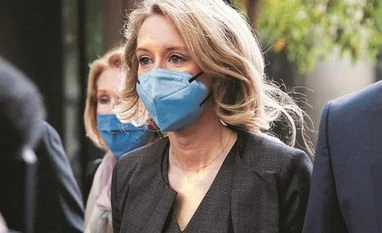 "Elizabeth Holmes")