On Saturday, Charles, the eldest of Elizabeth’s four children, will be formally proclaimed king in a ceremony dating back hundreds of years. At 73, he is the oldest person to accede to the throne in British history.
Flags are already flying at half mast as the country embarks on a period of national mourning. Normal politics will be suspended as tributes flow in from around the world. In London, the Queen’s coffin will be placed in Westminster Hall prior to her state funeral, which will be marked by a public holiday if it falls on a weekday.
The next two weeks will be a jolt for a country accustomed to being ruled by the same monarch for more than 70 years — longer than 85 per cent of the population have been alive. Charles will now have to steer the near-immutable institution of monarchy in a country that has altered beyond recognition since his mother’s accession. His kingdom faces potential breakup, as Scotland presses for independence, and an uncertain position after leaving the European Union.
By law, Charles automatically became King the moment his mother died. Formal recognition will come from the so-called Accession Council, usually convened within 24 hours of the death of a sovereign.If she’s in or near London, the prime minister is also likely to attend the meeting at St. James’s Palace. After the meeting, the new sovereign will be proclaimed by the courtier in charge, known as Garter King of Arms.


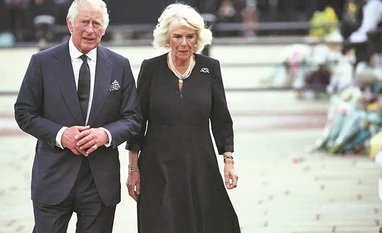 "Charles")