


Boosting production
New urea policy is showing encouraging results
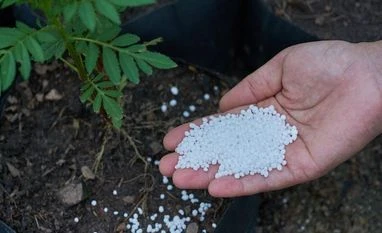 "Urea")
premium
Urea
With the commissioning of the fertiliser plant at Ramagundam in Telangana last week, India has inched closer to achieving self-sufficiency in urea and can now look forward to becoming an exporter of this most-consumed crop nutrient in near future. This is one of the five public-sector fertiliser plants that were junked years ago but were taken up for revival under the New Urea Policy of 2015. These units, together, would add over 6 million tonnes to the country’s existing urea production capacity. The plants at Gorakhpur in Uttar Pradesh and at Barauni in Bihar have already started functioning and the others are in advanced stages of construction. Besides, two more private-sector urea factories with a total capacity of 2.6 million tonnes have become operational at Kota in Rajasthan and Panagarh in West Bengal. Moreover, the new urea policy has helped enhance the energy-use efficiency of the existing 25 gas-based urea units, thereby, increasing their net output. With this, the country’s urea production is expected to rise adequately to more or less bridge the gap between the demand and supply.