


Closure for Ayodhya
Justice Gogoi's deadline is a big step forward
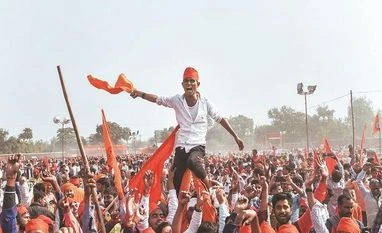 "Dharam Sabha, VHP, Ram temple, Ayodhya")
premium
With Chief Justice Ranjan Gogoi setting the date of October 18 to conclude the hearing on the nine-year-old Babri Masjid-Ram Janambhoomi case, an end to a controversy that has been at the root of India’s debilitating polarisation is finally in sight. With the prospect of a judgment by the five-judge bench in mid-November, before Justice Gogoi retires, Indians could earn respite from the unending uncertainty over an issue that is out of sync with the aspirations of a modern nation-state. The case, involving a 70-year-old land title dispute, has proved so contentious after the 1992 demolition of the mosque by Hindu devotees, that it has covered the terms of no less than four chief justices (Justice Gogoi being the fourth). It came to the apex court in 2010 as appeals by the Akhil Bharatiya Hindu Mahasabha (ABHM) and the Sunni Waqf Board against an Allahabad High Court judgment. The ABHM and the Waqf Board are two of the three entities that were awarded one-third each of the disputed territory (the Nirmohi Akhara, as ascetic sector, was the third awardee) by the high court, which appeared to have based its judgment on unprovable myth. Much water has flowed down Ayodhya’s Saryu River since, with the building of a temple over the site of the demolished mosque becoming the basis of the Bharatiya Janata Party’s election manifesto. Meanwhile, the case acquired a life of its own with multiple interveners (including maverick politician Subramanian Swamy), threats against lawyers, and a (failed) high-profile mediation effort that included the lifestyle guru Shri Shri Ravishankar.