


Energy majors go for a major rethink
If consumers are diversifying their fuel mix, energy firms must follow suit to retain dominance
 "Renewable energy, solar, wind")
premium
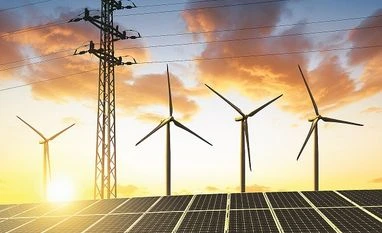
Need of the hour: The renewable energy sector will truly benefit from large spend in innovation and market development that improves efficiency and reliability
It was not always this way. Energy majors built their historic wealth in assets such as coal mines, oil wells and gas fields. The value came from discovering and developing these assets across the globe and putting them to market. They obsessed more with adding reserves and worried about hitting the “peak” that is, when they will start to deplete reserves more than add. This may still be the mindset but a fundamental rethink is starting to happen as consumers increasingly take to other energy sources closer home.
The growth in commercial energy use, for many years, has come largely from developing nations as their population and economies grew. In the normal course, as these countries matured over the years, their energy growth would have gradually slowed. But the change is coming quicker with many governments investing in energy efficiency programmes and in renewable energy. Already, the energy majors are facing softer demand for their traditional products, causing them to sit up and prepare for the low carbon economy.
The recent Reliance-BP deal hints that this is on their mind. They are not alone. Coal India, the world’s sixth largest mining company, has embarked on an exercise to relook at its vision. Canada’s largest power producer, Hydro Quebec, invests considerably in research on electric mobility, which may give it a new set of consumers. Several large Indian companies (the RE100) are committed to sourcing green energy to power their entire operations.
This market opportunity is growing fast too and, as such, worthy of consideration. In fact, if large consumers are diversifying their fuel mix, energy majors must follow suit to retain their dominance. The government of India has made its intent clear — to reshape our energy mix, and in the Paris agreement signed up to reducing carbon intensity. This makes a clear statement of the future state of our energy industry and offers an opportunity for new players to enter and grow. The utilities are increasingly opening up to renewable energy, as lower tariffs (ignoring the integration costs) displace costlier supplies in their merit order dispatch. Already, a number of diesel-based power purchase agreements signed in the 1990s have been terminated.
The growth in commercial energy use, for many years, has come largely from developing nations as their population and economies grew. In the normal course, as these countries matured over the years, their energy growth would have gradually slowed. But the change is coming quicker with many governments investing in energy efficiency programmes and in renewable energy. Already, the energy majors are facing softer demand for their traditional products, causing them to sit up and prepare for the low carbon economy.
The recent Reliance-BP deal hints that this is on their mind. They are not alone. Coal India, the world’s sixth largest mining company, has embarked on an exercise to relook at its vision. Canada’s largest power producer, Hydro Quebec, invests considerably in research on electric mobility, which may give it a new set of consumers. Several large Indian companies (the RE100) are committed to sourcing green energy to power their entire operations.
This market opportunity is growing fast too and, as such, worthy of consideration. In fact, if large consumers are diversifying their fuel mix, energy majors must follow suit to retain their dominance. The government of India has made its intent clear — to reshape our energy mix, and in the Paris agreement signed up to reducing carbon intensity. This makes a clear statement of the future state of our energy industry and offers an opportunity for new players to enter and grow. The utilities are increasingly opening up to renewable energy, as lower tariffs (ignoring the integration costs) displace costlier supplies in their merit order dispatch. Already, a number of diesel-based power purchase agreements signed in the 1990s have been terminated.
Need of the hour: The renewable energy sector will truly benefit from large spend in innovation and market development that improves efficiency and reliability
Disclaimer: These are personal views of the writer. They do not necessarily reflect the opinion of www.business-standard.com or the Business Standard newspaper