


Europe's strongest pillar
Twenty years on, the euro is both successful and popular
 "eurozone")
premium
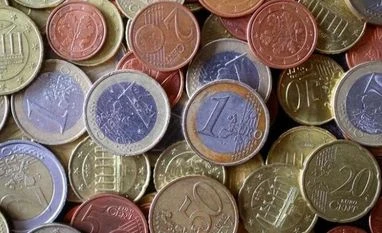
FILE PHOTO: An illustration picture shows euro coins | Photo: Reuters
Twenty years ago, on January 1, 1999, a new currency came into being. Eleven members of the European Union fixed their currencies’ exchange rates against each other, thereby creating a new, single currency zone; in 2002, euro notes and coins began to be exchanged and over the years that followed the number of eurozone countries expanded to 19. Now, only eight other members of the European Union do not use the euro — excluding, of course, the United Kingdom, which is due to leave the EU in a few months. The euro is now the second most powerful currency in the world, the conservatism and reliability of the European Central Bank helping to build up confidence in it. It has also transformed life within Europe, making large parts of the continent truly borderless. Not only are there no border check posts, but money does not have to be changed — and, as a consequence, money flows seamlessly across the eurozone. One quarter of all inter-bank lending in the eurozone flows across national borders to other parts of the common currency area.