


Good economics might not mean poor politics
Govt needs to emerge strong on credibility, timing of economic measure
 "Illustration: Binay Sinha")
premium
Illustration: Binay Sinha
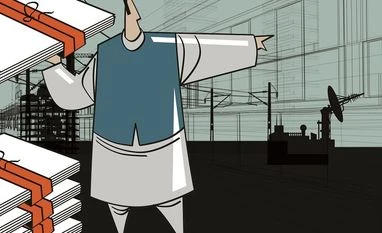
In an earlier article I had mentioned that there are three prerequisites for good but tough economic measures to result in good political results. The first one is the timing of the economic measure, whereby sensible governments with a clear agenda on delivery would prefer to implement tough economic measures in the early years of their rule so that the benefits reach voters before the end of their tenure. The second is that the credibility of the economic measures depends on the credibility of the government, which means the government should be free from corruption, nepotism and policy paralysis. The third is the perception and actualisation of overall benefits in the minds of voters within the tenure of the government.
There are at least two far-sighted but painful economic measures that the Union government decided to execute since it came to power in 2014. The first one is an aggressive push for digital transactions followed by demonetisation, without which no benefit can accrue to the government in terms of increased taxes in the years ahead. Hence, we consider the push for digital transactions as the first critical economic measure. The second one is goods and services tax (GST). Both of these are essentially aimed at bringing the major portion of the parallel or hidden economy into the mainstream economy and thereby getting accounted into gross domestic product, and in turn, broadening the tax base. The motive behind these two measures is to bring those who have been evading taxes, both direct and indirect, to account and thereby increase revenue for the government and hence higher spending on public utilities.
On the flip side, these two economic measures are disruptive and shake the status quo, which is painful. Other welfare and developmental measures such as Jan-Dhan Yojana, Ujjwala Yojana, Atal Pension Yojana, Awas Yojana, Jeevan Jyoti Bima Yojana, Suraksha Bima Yojana, Swachh Bharat Abhiyan, Krishi Sinchai Yojana, Nai Manzil Yojana, Make in India, Kaushal Vikas Yojana (Skill India), Smart City, Start-up (Stand-up) India are not considered here as they don’t come under the category of painful economic measures.
For good economic measures to yield good political results, the economic measures would have to pass the litmus test on these three riders. The first rider is the timing of the digital transaction push and GST. The government managed to push demonetisation and digital transactions with two and half years left in its tenure. For GST, the government has less than two years. These two measures certainly did not come too early; at the same time they are not too late either. Prime Minister Narendra Modi has about two years to pass on the benefits to the electorate that accrue from his two major economic measures. Thus, the first rider on timing of economic decisions has reasonably passed the litmus test.
There are at least two far-sighted but painful economic measures that the Union government decided to execute since it came to power in 2014. The first one is an aggressive push for digital transactions followed by demonetisation, without which no benefit can accrue to the government in terms of increased taxes in the years ahead. Hence, we consider the push for digital transactions as the first critical economic measure. The second one is goods and services tax (GST). Both of these are essentially aimed at bringing the major portion of the parallel or hidden economy into the mainstream economy and thereby getting accounted into gross domestic product, and in turn, broadening the tax base. The motive behind these two measures is to bring those who have been evading taxes, both direct and indirect, to account and thereby increase revenue for the government and hence higher spending on public utilities.
On the flip side, these two economic measures are disruptive and shake the status quo, which is painful. Other welfare and developmental measures such as Jan-Dhan Yojana, Ujjwala Yojana, Atal Pension Yojana, Awas Yojana, Jeevan Jyoti Bima Yojana, Suraksha Bima Yojana, Swachh Bharat Abhiyan, Krishi Sinchai Yojana, Nai Manzil Yojana, Make in India, Kaushal Vikas Yojana (Skill India), Smart City, Start-up (Stand-up) India are not considered here as they don’t come under the category of painful economic measures.
For good economic measures to yield good political results, the economic measures would have to pass the litmus test on these three riders. The first rider is the timing of the digital transaction push and GST. The government managed to push demonetisation and digital transactions with two and half years left in its tenure. For GST, the government has less than two years. These two measures certainly did not come too early; at the same time they are not too late either. Prime Minister Narendra Modi has about two years to pass on the benefits to the electorate that accrue from his two major economic measures. Thus, the first rider on timing of economic decisions has reasonably passed the litmus test.
Illustration: Binay Sinha
Disclaimer: These are personal views of the writer. They do not necessarily reflect the opinion of www.business-standard.com or the Business Standard newspaper