


Rise in fuel prices has made govt vulnerable; how can it manage oil risks?
Retail prices of petrol and diesel would have been 2-3 per cent less than what they are today, if states had converted their VAT into a specific rate at the same level that prevailed in April
 "auto fuel")
premium
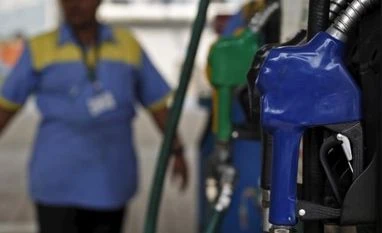
An employee stands next to a pump at a fuel station in New Delhi | Photo: Reuters
A sharp rise in retail prices of petrol and diesel in the last five months has exposed the political vulnerability of the Bharatiya Janata Party (BJP) that leads the government at the Centre. BJP insiders concede privately that the rise in retail prices of petroleum products is one of the more potent issues that can adversely impact the ruling party’s electoral fortunes in the five forthcoming Assembly polls and even in the general elections in 2019.
It is time, therefore, for an assessment of the pattern of the rise in retail prices of petrol and diesel in the last five months and what steps, if any, have already been taken or could be taken by the government in the coming days. Three broad trends are too obvious to be missed.
Retail petrol prices in Delhi have risen by 12 per cent between the first week of April and the last week of September. For diesel, the increase has been over 14 per cent in the same period. Note that this increase is an outcome of two major factors — a 15-16 per cent rise in the cost of the two fuels for the refineries (including freight and processing charges) in this period and a depreciation of the Indian rupee against the dollar during the same period by over 11 per cent.
This was a double whammy for the Indian economy, quite unlike the way the last time crude oil prices had shot up in 2010-11 and 2011-12. If the exchange rate had not depreciated as steeply and at the same time as the crude oil prices rose, the impact on India’s retail prices for petrol and diesel would certainly have been far less. But then there is little that the government can do to contain the rise in crude oil prices. Nor can it reverse the fall in the Indian rupee in a sustainable way. The only thing it can hope to do is to facilitate its steady depreciation without volatility.
It is time, therefore, for an assessment of the pattern of the rise in retail prices of petrol and diesel in the last five months and what steps, if any, have already been taken or could be taken by the government in the coming days. Three broad trends are too obvious to be missed.
Retail petrol prices in Delhi have risen by 12 per cent between the first week of April and the last week of September. For diesel, the increase has been over 14 per cent in the same period. Note that this increase is an outcome of two major factors — a 15-16 per cent rise in the cost of the two fuels for the refineries (including freight and processing charges) in this period and a depreciation of the Indian rupee against the dollar during the same period by over 11 per cent.
This was a double whammy for the Indian economy, quite unlike the way the last time crude oil prices had shot up in 2010-11 and 2011-12. If the exchange rate had not depreciated as steeply and at the same time as the crude oil prices rose, the impact on India’s retail prices for petrol and diesel would certainly have been far less. But then there is little that the government can do to contain the rise in crude oil prices. Nor can it reverse the fall in the Indian rupee in a sustainable way. The only thing it can hope to do is to facilitate its steady depreciation without volatility.
Disclaimer: These are personal views of the writer. They do not necessarily reflect the opinion of www.business-standard.com or the Business Standard newspaper