


Preparing the response
Three axes along which India must respond to West Asian crisis
 "Qassem Soleimani, Iran")
premium
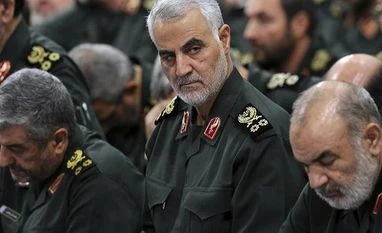
File Photo: Qassem Soleimani, center, attending a meeting in Tehran, Iran
The killing of top Iranian general Qassem Soleimani by the US during his visit to Iraq has shaken up the situation in West Asia, moved the region closer to an armed confrontation, and caused oil prices to react sharply. Soleimani, as leader of the Quds Force — which is the division that carries out the extra-territorial influence and insurgency operations of the Islamic Republic of Iran — was a major player in the politics of the region and had become enormously powerful and popular in Iran itself. A cycle of response and escalation might result. If so, it is not easy to predict the path of oil prices in the short- to medium-term. US shale oil output has been robust but demand in the global economy has been weak. The market was on its way to oversupply anyway. But any low-level conflict might target oil infrastructure. Depending on what is taken out of the supply chain and for how long, this may create a scarcity that forces prices upwards in the short- or medium-term.