In the given backdrop, analysts at Goldman Sachs expect Brent prices to go up to $90 per barrel by the end of 2021. Crude oil prices have risen by about 10 per cent over the last month. Although India’s trade account is in a relatively good position because of higher exports and the current account is likely to remain under control, higher crude oil price will have implications for monetary and fiscal policy, and economic activity in general. The inflation rate was above the tolerance band in the last fiscal year and is expected to average 5.7 per cent in the ongoing year. But sustained higher oil prices can again push it above the upper end of the tolerance band. This will put enormous pressure on the Reserve Bank of India (RBI), which is focused on reviving growth by keeping interest rates low. It will be important to see how the Monetary Policy Committee interprets oil prices in its upcoming meeting.
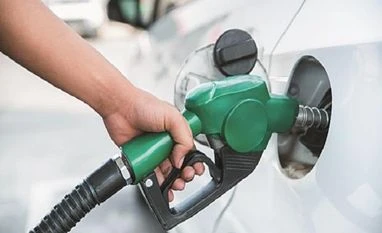
Retail pump prices in India are relatively elevated because of higher taxes. A further increase in prices will affect households and dent overall consumption. The demand to partly roll back taxes will only grow if oil prices remain elevated. The government has done well to resist such demands so far as it will affect the fiscal balance. It is looking to reduce the fiscal deficit from the budgeted level of 6.8 per cent of gross domestic product in the current year. Besides, lower revenue because of reduction in taxes will affect the government’s capital spending and disrupt the ongoing recovery. The government is reportedly planning to support the beneficiaries of the Ujjwala Yojana. This will be a welcome move as it will help improve the affordability of cooking gas in the weaker sections of society and has a number of associated benefits.
The impact of higher crude oil prices will obviously not remain limited to India. Elevated gas and power prices are affecting industrial production in various countries, including China. Higher inflation in advanced economies and a shift in monetary policy can affect global capital flows. Bond yields have risen in the US and many analysts expect the Federal Reserve to soon start tapering its asset purchase programme. Although India has large foreign exchange reserves and the RBI is in a position to contain volatility in the currency market, excess volatility in international markets could have implications for global growth. Overall, for India, higher sustained oil prices will delay the full recovery from the pandemic-induced economic disruption.


 "fuel")