


The post-Brexit world
More uncertainty is the only certainty
 "People celebrate Britain leaving the EU on Brexit day in London. Photo: Reuters")
premium
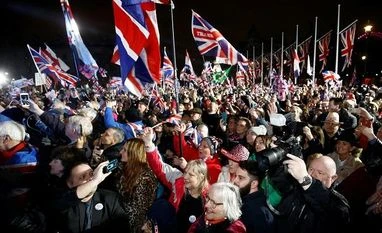
People celebrate Britain leaving the EU on Brexit day in London. Photo: Reuters
The deadline to extend Brexit negotiations expired in June this year, so it is now certain that the United Kingdom (UK) will leave the European Union on December 31. This is the only certainty that economic actors in this four-year drama can hope for at this time as the region struggles to come to terms with the Covid-19-induced economic slump. Negotiations on a new trade deal appear stalled over such issues as fishing rights, workers’ rights, and checks on cargo. If no deal is reached when the deadline lapses, a basic set of rules under the World Trade Organization will come into operation, involving tariffs, inspections, and checks at European and British ports. Many Brexiteers regard this outcome as a desirable one because it would free the UK from what they consider onerous and costly standards (on safety, environment, and so on) and leave it free to negotiate more advantageous (and theoretically less burdensome) deals with other countries, though little headway seems to have been made in talks with the US or Canada. Although this flexible regulatory future sounds attractive, it masks the practical complexities for manufacturers in terms of following different standards for different markets, requiring tweaks on the assembly line and the need to maintain multiple sets of documents. Indeed, the EU, which, understandably, has no stake in easing the divorce settlement, is demanding “level playing field obligations” in the trade agreement that would tie the UK to EU law and regulations.
Topics : Brexit