


Urban naxals or patriots?
Does asking uncomfortable questions to the government, or supporting marginalised communities make one less patriotic than someone who accepts the status quo unquestioningly?
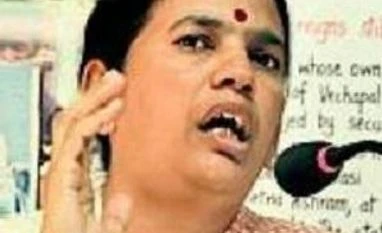 "Sudha Bharadwaj, koregaon arrests, bhima-koregaon arrests")
premium
Sudha Bharadwaj. Photo: Twitter
With so much of the current conversation revolving around “urban naxals” and “anti-nationals”, I find myself thinking about the fundamental nature of dissent and disobedience in a democracy. Does asking uncomfortable questions to the government, or supporting marginalised communities make one less patriotic than someone who accepts the status quo unquestioningly? Not in a country that has instituted the RTI Act of 2006, which gives every citizen the power to ask questions and demand answers from not just the government, but any public body. It has empowered ordinary people to ask questions so uncomfortable that scams like Vyapam have been unearthed because of them. As I wrote in a previous column, far too many braveheart whistleblowers have met untimely ends for speaking truth to power — which is what many urban naxals I know also do. Sometime ago, I met Odisha Soochana Adhikar Abhijan state convener Pradeep Pradhan, and he told me what life was like for dissenters and questioners in his state. From 2007-18, countless RTI applicants have been beaten up or have seen their family members attacked. “Two were murdered, in 2014 and 2015,” he said. Then he introduced me to Bikas Chandra Naik and Babu Jena, ordinary men with extraordinary stories to tell.
Disclaimer: These are personal views of the writer. They do not necessarily reflect the opinion of www.business-standard.com or the Business Standard newspaper