


Zero income tax upto Rs 12 lakh: Confused about new slabs? Answer here
If you're a regular salaried individual or earn other kinds of 'normal income' up to Rs 12 lakh, you won't have to pay any tax, thanks to both the tax rebate and reduced tax slabs in new tax regime
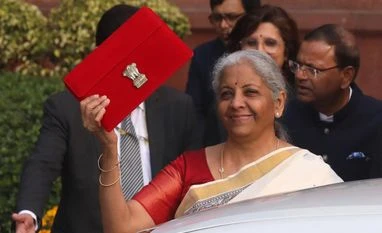 "Nirmala Sitharaman Budget")
Union Finance Minister Nirmala Sitharaman (Photo: PTI)


Listen to This Article
In a major relief for middle-class taxpayers, Finance Minister Nirmala Sitharaman, during the Union Budget 2025, announced an increase in the tax rebate under Section 87A, which will ensure that individuals with net taxable income up to Rs 12 lakh will pay zero tax under the new income tax regime.
Key Highlights:
Resident individuals with a net taxable income up to Rs 12 lakh will now pay no income tax. For salaried individuals who avail of the standard deduction benefit of Rs 75,000 under the new tax regime, the tax-free threshold increases to Rs 12.75 lakh. This is a significant rise from the previous Rs 7 lakh income limit under the new tax regime. The finance minister has raised the tax rebate limit and not the basic exemption. This means that if your annual income exceeds Rs 12.75 lakh, taxes will be calculated based on the new slabs in the new assessment year.
According to the Budget Memorandum, the income limit for rebate under Section 87A has been increased from Rs 7,00,000 to Rs 12,00,000 for taxpayers under Section 115BAC(1A). Additionally, the rebate amount under clause (a) of the first proviso to Section 87A has been raised from Rs 25,000 to Rs 60,000.
Revised Tax Slabs: The Finance Minister also announced changes to the tax slabs, which now include:

 "Stock market")
 "Hospital, Hospital Ward, Medical, Emergency")
 "Nirmala Sitharaman Budget")
 "Jairam Ramesh, Jairam")
 "Finance Minister Nirmala Sitharaman")
Zero to Rs 4 lakh: Nil tax
Rs 4 lakh to Rs 8 lakh: 5% tax
Rs 8 lakh to Rs 12 lakh: 10% tax
Rs 12 lakh to Rs 16 lakh: 15% tax
Rs 16 lakh to Rs 20 lakh: 20% tax
Rs 20 lakh to Rs 24 lakh: 25% tax
Above Rs 24 lakh: 30% tax
Income Tax Rebate Enhancements for FY 2026-27: From the assessment year 2026-27 onwards, the rebate under Section 87A will be enhanced as follows:
The limit for claiming the rebate will increase from Rs 7 lakh to Rs 12 lakh for income under Section 115BAC.
The maximum rebate will rise from Rs 25,000 to Rs 60,000.
However, this rebate will not apply to special grade incomes such as capital gains.
"To taxpayers up to Rs 12 Lakh of normal income other than special rate income such as capital gains, a tax rebate is being provided in addition to the benefit due to slab rate reduction in such a manner that there is no tax payable by them,” Nirmala Sitharaman said.
What this means:
Normal Income: This refers to regular income like salary, wages, or business profits. It does not include special rate income such as capital gains, which is taxed at a different rate.
Tax Rebate: The rebate under Section 87A means that if your net taxable income is up to Rs 12 lakh, you will receive a tax benefit that effectively reduces your tax liability to zero.
Slab Rate Reduction: The Finance Minister has also revised the tax slabs, making it easier for individuals in this income range to pay less tax. For instance, those earning between Rs 4 lakh and Rs 12 lakh will pay taxes at a reduced rate (5 per cent to 10 per cent depending on income), which, combined with the rebate, leads to zero tax.
Special Rate Income (e.g., Capital Gains): The tax rebate does not apply to special income like capital gains, which is taxed at separate rates.
In simpler terms, if you're a regular salaried individual or earn other kinds of "normal income" up to Rs 12 lakh, you won't have to pay any tax, thanks to both the tax rebate and the reduced tax slabs. However, if you earn income from sources like capital gains, that income won't benefit from the rebate, and it will be taxed separately under different rules.
Does that mean that those earning Rs 15 lakh will have to pay tax on only Rs 3 lakh?
No, the rebate is only applicable for those earning up to Rs 12 lakh. If your taxable income is even a rupee more than Rs 12 lakh, you will have to pay taxes as per the slab rates under the new tax regime.
Impact on Taxpayers:
Middle-Class Tax Relief: The increased rebate is a welcome move for salaried individuals and taxpayers in the middle-income group. It will leave more money in the hands of taxpayers, promoting savings, consumption, and investment.
Rebate for Section 87A: Taxpayers whose income is below Rs 12 lakh will not have to pay any tax. "Material changes have been announced in personal income tax in the current budget for the new tax regime with changes / increase in slabs and lower rate of tax rates, extending the threshold for rebate to Rs 12 lakh, would help lowering the final tax liability. However, this extension of tax rebate benefit will not be applicable to income taxed under special tax rates. Therefore, one must be mindful while estimating the future tax for the year. For someone who was still opting for old regime due to incremental benefit through Chapter VI deductions, other specific exemptions, he must carry out a comparative analysis of their tax under both the new and old tax regimes and choose accordingly. However, one must take note that switching between regimes is restricted for some categories of taxpayers," said Ritika Nayyar, Partner, Singhania & Co. What Sitharaman said:
- A taxpayer with an income of Rs 12 lakh will now see a benefit of Rs 80,000 in tax savings, which accounts for 100% of the tax payable as per existing rates.
- A person earning Rs 18 lakh annually will benefit from a tax reduction of Rs 70,000, which is 30% of the tax payable under the previous system.
- For those with higher income, such as Rs 25 lakh, they will experience a tax benefit of Rs 1.10 lakh, reducing their tax payable by 25%.
These adjustments have been made as part of the government's overall strategy to enhance disposable income and provide relief to the middle class, thereby contributing to India's economic growth. The new tax rebate system, which effectively boosts savings and investments, will also provide a more streamlined process for taxpayers, reducing the compliance burden.
As a result of these proposals, the government anticipates a revenue loss of approximately Rs 1 lakh crore in direct taxes and Rs 2,600 crore in indirect taxes.
More From This Section
 "Doctor, Medical, Health care")
 "Households are shifting their investment more to equities, directly as well as through mutual funds (MFs), particularly after the pandemic, at the expense of deposits.")
 "Sitharaman, Budget")
Topics : Budget 2025
Don't miss the most important news and views of the day. Get them on our Telegram channel
First Published: Feb 01 2025 | 1:21 PM IST