


EU steel duty plan: A double whammy ahead for Indian steelmakers in 2026?
The EU's plan to halve import quotas and impose a 50 per cent tariff, combined with CBAM rollout, could deliver a double blow to Indian steelmakers next year
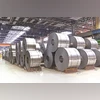 "steel, steel industry")
The EU is India’s largest market for steel exports, accounting for about 45 per cent of the total.
Listen to This Article
A proposal by the European Union (EU) to slash quotas in steel imports and impose a 50 per cent tariff on over-quota shipments may spell a “double whammy” for Indian exporters next year, according to industry experts.
Earlier this month, the European Commission proposed to shield the bloc’s steel industry from the impact of global overcapacity. The plan is to reduce tariff-free imports to 18.3 million tonnes (mt) a year — a 47 per cent cut from 2024 levels — and double the out-of-quota duty to 50 per cent.
The EU also proposes to replace its steel safeguard measure — it’s set to expire by June 2026 — though the European Parliament and the Council will have to agree on the final regulation.
The quota proposal combined with the Carbon Border Adjustment Mechanism (CBAM), a tariff system set to be implemented from January 2026, is expected to make the landed cost of Indian steel in the EU less competitive.
India exports around 45 per cent of its steel to the EU, its single largest market.
Also Read

 "Tata Steel, Koushik Chatterjee")
 "Tata Steel, Tata")
 "Venus Pipes shares in focus")
 "European Union, EU")
 "Rs, Rupee, Indian Currency")
The bloc imported 27.4 metric tonne (mt) of finished steel in 2024, said Sehul Bhatt, director of Crisil Intelligence. India accounted for 12 per cent of the number (flat steel products comprised 97 per cent of the exports).
The EU’s new 18.3 mt tariff quota includes 12.8 mt for flat steel products, representing a 40 per cent reduction from 2024 import levels.
Reducing the overall flat steel import quota is expected to proportionally decrease India’s product-wise share, said Bhatt. “Following the reduction, exporters will be forced to seek alternative markets, potentially leading to increased supply competition and depressed prices.”
With new flat-steel capacities starting production, a drop in exports will increase material supply, likely forcing prices down for Indian consumers.
The EU proposal could hit Indian steel both directly and indirectly.
Sumit Jhunjhunwala, vice-president at ICRA, said the EU’s proposal poses a significant downside risk to India’s steel exports. “The proposed restrictions, coupled with the CBAM effective January 2026, could be a double whammy for Indian steel exporters, constraining export volume growth,” he said.
The proposal also raises the risk of trade diversion. Some of the 12 mt of Asian steel exports to the EU could be diverted to alternative growth markets, including India (despite the country having safeguard duty), Jhunjhunwala explained.
“As these countries already account for 70-75 per cent of India's steel imports, the influx may intensify import competition and weigh on domestic steel prices,” he said.
In April, India imposed a provisional 12 safeguard duty on certain imports, active until November 7, 2025.
In August, the Directorate General of Trade Remedies issued its final recommendation of a safeguard duty starting at 12 per cent for three years (12 per cent in the first year, 11.5 per cent in the second, and 11 per cent in the third) – the proposals require the Finance Ministry’s approval.
However, as countries raise tariffs, steelmakers are questioning whether the 12 per cent safeguard duty is sufficient.
A major steel producer said the safeguard duty is beneficial and without it, the situation would have been worse. “However, as global dynamics evolve, there is a need to reassess and determine the next steps.”
India’s steel imports in the first half of FY26 declined 29 per cent from the previous year, but the producer noted that the safeguard duty’s effect was waning.
Ranjan Dhar, director and vice-president for sales and marketing at ArcelorMittal Nippon Steel India (AM/NS India), said India’s steel consumption was growing. “However, with high global tariffs averaging 30–50 per cent and Indian safeguard duty at a low 12 per cent, Indian steel players continue to bear the impact of excessive supplies from global vendors. The quality of material from these imports is also often under the scanner.”
According to Dhar, comprehensive trade remedies are required in volatile global times to protect the investments made by domestic players. “A strong steel sector is essential to realise India’s ambition to be a developed nation by 2047.”
Steel prices have been subdued since July. Data from BigMint showed that the monthly average for hot rolled coil (HRC) ex-Mumbai for June 2025 was Rs 51,050 per tonne and has been falling since. The average for October was Rs 48,366 per tonne.
Currently, domestic HRC prices are trading at a discount to import offers.
In the domestic market, demand declined 2.2 per cent month-on-month in September due to a well-dispersed monsoon and a pre-festive slowdown, observed Bhatt. “With October being a festive month, trade activities are expected to remain sluggish, keeping prices soft. Some major mills have already reduced prices in response to weakened demand.”
While Bhatt expects prices to rise after the festive season, high imports of 0.65 mt in August and September could limit any post-festival price hikes.
More From This Section
 "WPI")
 "direct tax rupees fund")
 "Textiles")
 "Rare Earth minerals")
 "suicide rate")
Don't miss the most important news and views of the day. Get them on our Telegram channel
First Published: Oct 14 2025 | 1:53 PM IST